


The schedule of God is being fulfilled in the earth. The Lord has been fulfilling His works as He had predestined in His domain. It is said that as the citizens of Sodom and Gomorrah were without understanding in the days of Lot, so it shall be in the days of Son of Man (Luke 17:28-30). But, being unable to know the schedule of God is being fulfilled, the people who lived in the days of Noah were in a state of without understanding. It is foretold that it shall be so in the days of the Son of Man. This prophecy must be fulfilled.
WhenJesus Christ was manifested in flesh, the earthly things had hardened the hearts of the Israelites, so that they could not see that the one who had come was the Messiah. The Word witnesses that the same state shall be there in the days of the Son of Man. We are living in a time of fulfillment of the things foretold.
The Scripture says, “Sinners shall not inherit the kingdom of God” (I Corin. 6:9-10). If one commits sin, he becomes an alien to the Kingdom of God. Which s sin? Which sin makes a man alien from the kingdom of heaven? The Israelites were in a state adultery is a sin. Disobeying the Law is a sin. Though the Law witnesses that many things such as these are sins, they were not in a state of knowing which sin hinders them from inheriting the eternal life.
In 1 John 1:10, it is said like this:
“If we say that we have not sinned, we make him a liar, and his word is not in us.”
A rich man came to Jesus Christ and asked Him, “Lord, what should I do to inherit the eternal life?” Jesus Christ replied, “You do according to them which the Law says”. The Young man said to Jesus that he had kept all these things that were said in the Law from his youth. He was circumcised on the eighth day. As he Lord had commanded, he took the tithes from his harvest to the temple of Jerusalem. He fulfilled them all according to the Law. He did not violate any words mentioned in the Law of Moses. He said that he has kept them all from his youth. The Lord loved him and told him, “If you will be perfect, go and sell that you have, and give to the poor, and you shall have treasure in heaven: and come and follow me”. Is there any statute such as this given in the Law of Moses? No, it is not. A new law is given here as the Law was like a word which was already fulfilled.
But, as the hearts of the people were out and out in the carnal mind, they were not aware that the One who had come was the One who had already commanded the Law through Moses.
Because of the blindness of their hearts, they could not see the identity that Jesus Christ was the Messiah. They were in a state of not accepting that the one who had come was the Messiah; it was He who was sent to give them salvation; it was He who was the Son of David, and He was the Son of Abraham. Reason: The crowd of the Chief Priests, the crowd of the scribes, the crowd which had got training from the Pharisees and the Sadducees did not confess that Jesus was the Lord. They did not confess that He was Christ. Therefore, the crowd of believers of Jerusalem also did not confess that Jesus Christ was the Lord. The anointed priests boasted themselves in their flesh, saying, “I am the Chief Priest. I have got the glory. It is I who proclaim the laws of Moses to the people; I am the seed of Aaron.” Therefore they could not accept Jesus as the Lord.
Jesus Christ did not come as one who came with glory in flesh. The Son of David did not come with honour of flesh so that He could sit on the throne of king as David. He came as the son of a carpenter. The blindness of the hearts of the Israelites who boasted themselves of their flesh did not accept Jesus, who was the son of a carpenter. They did what all were commanded in the law. But, they did not have a heart with them which could believe a higher thing that was commanded for that day. That is why, Stephen said that they were uncircumcised in hearts and ears (Acts 7: 51). Even Paul the apostle, confessed only that (Rom. 2: 29). They had the sign of circumcision only on their body of flesh. They thought that it was only their highness. The same situation will occur among the Christians during the secret coming of Jesus Christ. These are all spoken as prophecies. It is the hardness of the heart that hinders from believing. This hardness of the heart is a sin. 'Sin' means 'darkness'. One should come out of that darkness. To come out of that darkness, one should walk in the light.
In 1 John 1: 7, it is said like this:
“But if we walk in the light, as he is in the light, we have fellowship one with another, and the blood of Jesus Christ his Son cleanseth us from all sin.”
One who commits sin is in darkness. He should come out of that darkness into light. That light is the true light which quickens any man. That light is in the Word. That Word was in the flesh on that day. Today, it works as the Spirit.
In John 1: 1, 4, it is said like this:
“In the beginning was the Word, and the Word was with God, and the Word was God.
In him was life; and the life was the light of men.”
In the beginning was the Word; in that Word, there was life. That life was the light of men. When this light comes in, the sin called 'darkness' goes away. If one wants to remove the sin namely the darkness, we should not confess that we have no sin and we should pray to indicate sin. To know the sin, we need the Word. The Word for that day only witnesses which is sin. Faith in the Word for the day will remove sin.
As it was in the days of Noah, so shall it be in the days of the Son of Man. The day of the Son of Man is the day of the secret coming of Jesus Christ. A state of no understanding was seen in the days of Noah. A Word was given to Noah by the Lord. That Word was to build an ark and enter into it (Gen. 6: 14, 18). There was life in that Word. Life was there in that Word. That life became light. That light saved Noah and his family from the great floods. Is there life today in that Word which was spoken to build an ark? Today, that Word is a Word which has already given fruit and become fulfilled. It is a Word that has already been fulfilled. If we build an ark today like Noah, that ark will not take us into the kingdom of heaven. We need life in the Word. We need a living Word. We need a powerful and worthy Word which can give us salvation. That is the living Word which is given for that day.
The Word that was spoken in the days of Lot, was that they should leave Sodom and Gomorrah (Gen. 19: 15-17). The law was the Word commanded to the Israelites. There was life in those words on that day. There was life on that day in the Word that was commanded through Moses. And every Israelite who believed that Word and did works according to it became one who was ordained for life.
In Gen. 1: 1, it is said like this:
“In the beginning God created the heaven and the earth.”
When He created heaven and earth, He was God. He had power in Him. It was the power of creation. He said, “Let it be made”. They were formed. He said, “Let there be light.” Light was formed. “Let the waters be divided” He said. The waters divided. He said, “Let there be each kind of living things that are in the earth and in the heaven.” They were all formed. It was God who created all these things. After creating all these things, God rested on the seventh day.
In Gen. 2: 3, it is said like this:
“And God blessed the seventh day, and sanctified it: because that in it he had rested from all his work which God created and made.”
The whole first chapter of Genesis is about the works of God. These are the works of the Godhead. When they were created, the name commanded to that creator was “God”. All the six days, He created one by one. On the seventh day, He rested. Till the completion of works of creation, the name commanded to Him was “GOD”.
In Gen. 2: 7, it is said like this:
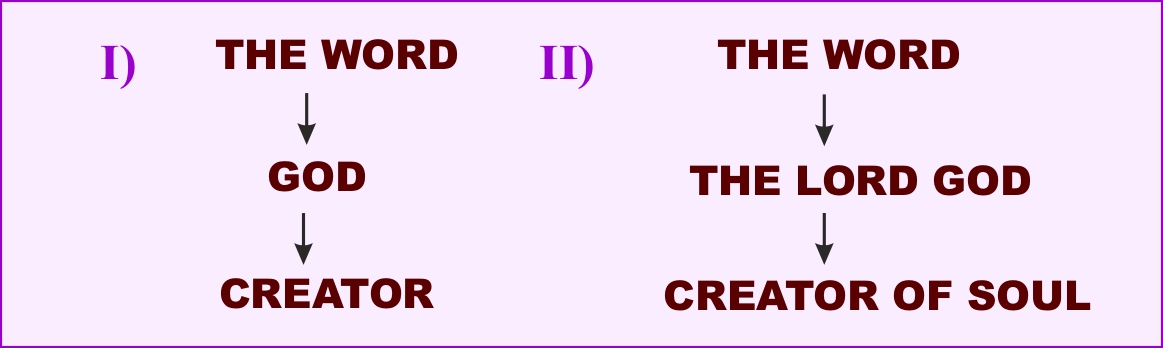
“And the LORD God formed man of the dust of the ground, and breathed into his nostrils the breath of life; and man became a living soul.”
God created all things. After He created all things, He rested on the seventh day. After that, the soul called the innerman was formed. Then the name that was commanded to Him was “the Lord God”.
Being God, He created all, and as “the Lord God” He created soul in Adam. He breathed the breath of life into Adam. Adam became the living soul. Adam became one with a soul. When He created one with a soul, the name commanded to God was “the Lord God”. This is the beginning of the Lord's governance.
A man is born as a Christian and brought up as a Christian and does all the things commanded in the Bible. If he accepts only the Word which has light in it and dies in his body of flesh, he will rest in paradise in order to get the heritage namely, 'Heaven'. This is the 'schedule of God'. It is the Pharisee who believes that 'there is a life after death'. The Sadducee is one who does not believe that there is a life after death. The Lord does not change His deeds according to their belief. The one who accepts the deeds of the Lord is one who is ordained for life.
We have a dog. It is an obedient dog. It is a very intelligent dog. It guards well our children and home. It is very useful to us. Such a good dog dies one day. Will that dog go to heaven? It was a very good dog. It never bit anyone. Will that dog go into heaven? It won't go. Why won't it go? Because, only within man, the soul namely, 'grace' has been commanded. That grace has not been given to any other living creatures. That grace is given for the man alone, because he was created in God's image. The Lord breathed His breath into him. He became the living soul. The likeness of the dog is the likeness of the gentiles. That is not considered for the Life.
The first law was commanded by the Lord to Adam. The first law was that he should not eat of the fruit of the tree of knowledge of Good and Evil. There was life in the law on that day. That Life was light. But, as the deeds of man were more inclined towards the darkness than the light, he obeyed to the word of the serpent that was meant for darkness and he ate the fruit which was forbidden that he should not eat. When the Lord created the man who had the soul called the innerman, the name commanded was “the Lord God”. Adam was delivered to death, because he broke the law which commanded, “Do not eat”, but he ate the fruit. Adam died in flesh. His soul is waiting for condemnation in the burning hell.
The soul of Adam, being condemned, has been waiting for the second death. When the last soul is begotten in flesh and his deeds are fulfilled, the day time of the 8th day will fulfill. After the Reign of a Thousand Years, the souls meant for condemnation, shall be thrown into the sea of fire. The scripture witnesses only this as the second death (Rev. 21: 8).
The Lord made a covenant with Abraham. When that Lord God revealed Himself to Abraham, His name was 'the Almighty God'.
In Gen. 17: 1, it is said like this:
“And when Abram was ninety years old and nine, the LORD appeared to Abram, and said unto him, I am the Almighty God; walk before me, and be thou perfect.”
After that, the name that was commanded to take the Israelites who had got souls, from Egypt to the promised land of Canaan was 'Jehovah'.
In Exo. 6: 3, it is said like this:
“And I appeared unto Abraham, unto Isaac, and unto Jacob, by the name of God Almighty, but by my name JEHOVAH was I not known to them.”
The gentiles are the bodies of flesh who are unworthy of conceiving the soul called the innerman. They are alien to the commonwealth of the Israelites. To us, such kind of gentiles, life has been commanded in the name of the Lord Jesus Christ. The grace commanded to the gentiles is the soul called the innerman.
Grace is a situation which is capable of conceiving a soul called the innerman in us.
The Lord announces a secret which is going to be fulfilled in the time of the Last Testament. Just as the grace called the innerman (the soul), which was in the midst of the Israelites, turned to the gentiles, this grace from among the Christians is going back again towards the Israelites.
The gentiles may have worshipped the God who has made His works as the creator. But, the gentiles are not permitted to worship the name of the Lord God who created the soul called the innerman and to offer sacrifice for Him. But now, this grace is given to the gentiles, the natural men only through the name called the Lord Jesus Christ. This grace is going to turn to the Israelites because of the hardness of the heart of the Christians. The Lord reveals His name every time, when people harden their hearts. Likewise, in this time of the Last Testament, the Lord reveals His name. That name is, “the Word of God”.
In Rev. 19: 13, it is said like this:
“And he was clothed with a vesture dipped in blood: and his name is called The Word of God.”
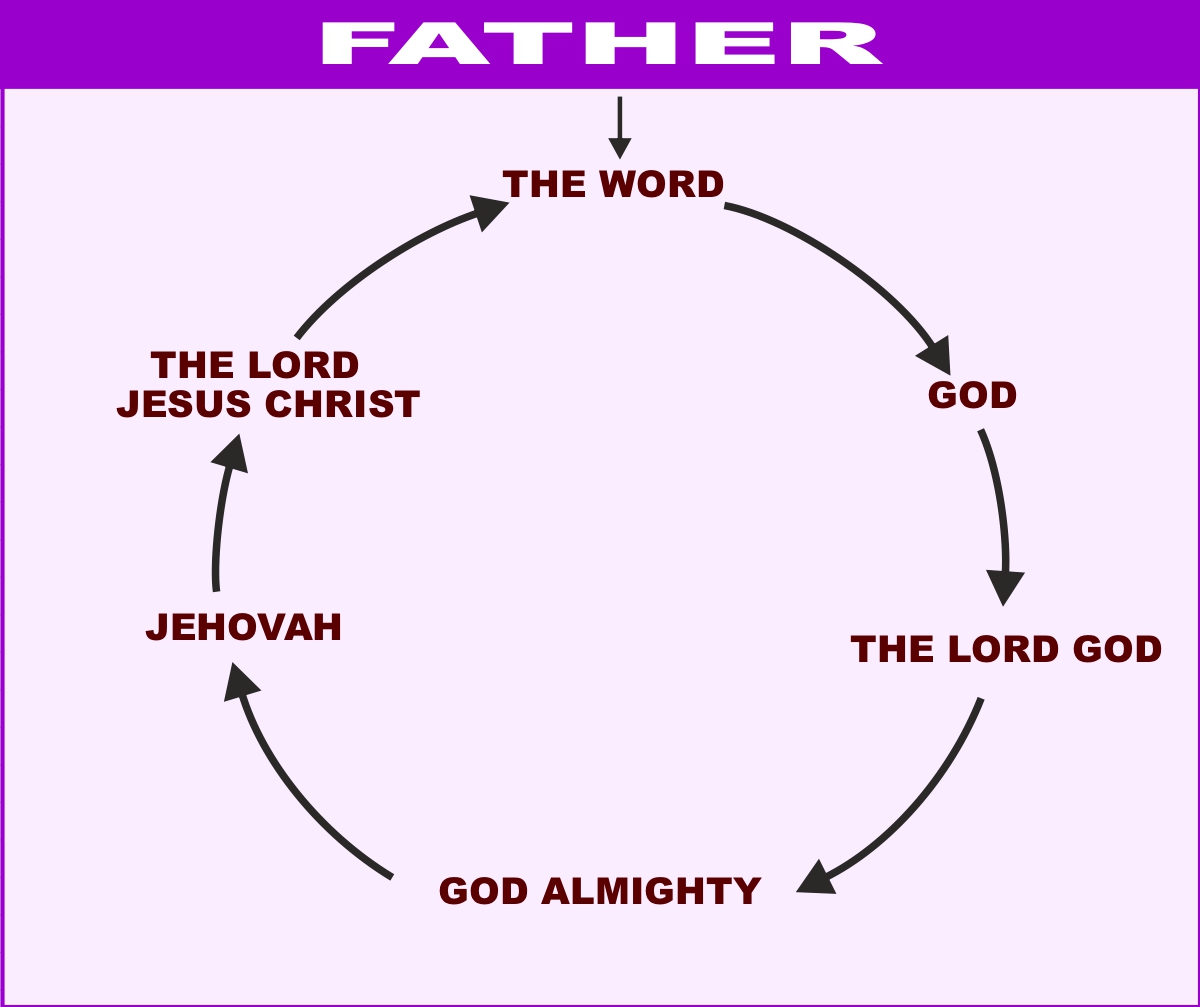
The works of the Father will begin with “the Word” and complete with “the Word”.
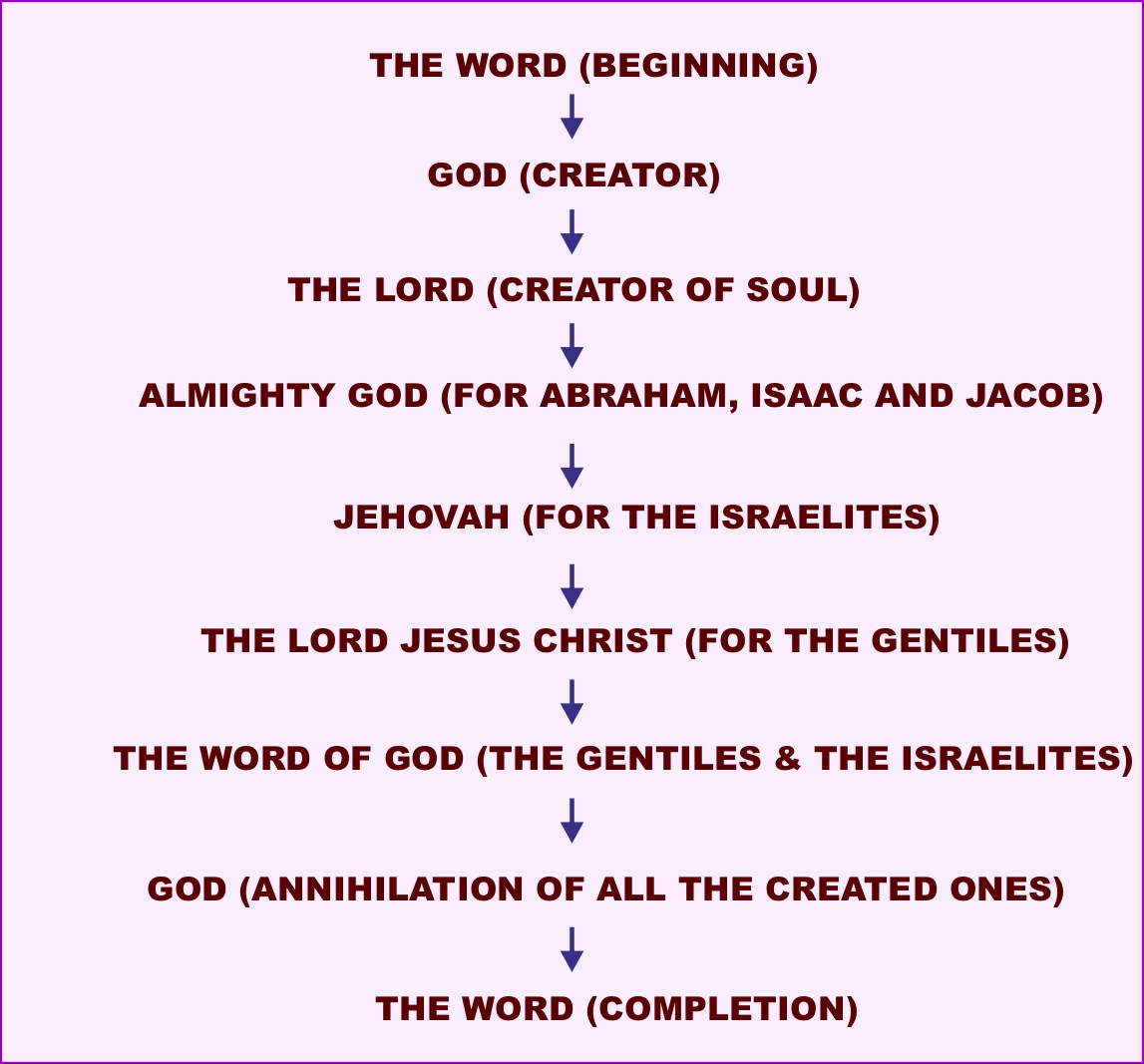
The gentiles are those people who are natural but could not conceive the soul called the innerman. Now, to them who received the soul in the name of the Lord Jesus Christ in the time of the New Testament, the name commanded to receive eternal life in the time of this Last Testament is “the Word of God”. It was the Word that created the heaven and the earth in the beginning (Heb.11:3). It was the Word that commanded light. There is life in the Word. The time after the times of seven Churches is the time of the Last Testament. That is the time for the beautification of the bride. After the bride is taken up, this earth will be a place of tribulation like hell for the one who has got the soul for condemnation.
Here, David, the psalmist, sings a song.
In Psa. 42: 1, it is said like this:
“As the hart panteth after the water brooks, so panteth my soul after thee, O God.”
“As the hart pants after the water brooks, so pants my soul after thee, O God.” When alive, the hart gets thirsty. If dead, there is no thirst. The thirsty hart pants after the water brook. Where there is water, it should go there. It should drink water. Its thirst must be quenched. For that, it pants after the water brook. The psalmist sings, “As the hart panteth after the water brooks, so panteth my soul after thee, O God.” If the soul is ordained for life, it will pant for the water brook. That water is 'the Word'. The Word is meant for Eternal life.
Saul was seen as the enemy here to the song sung by the psalmist. Saul was also an Israelite who had a soul. But there is nothing meant for thirst of life in him. David ran away in fear of Absalom. In all the times of distress, he sang psalms. There are many psalms which David sang in the midst of distress. This is one among them: “As the hart pants after the water brooks, so pants my soul after thee, O God.”
The soul meant for life craves for the Word that is sent from the Lord for that day. Reason; there is life in that Word only. There is light in that Word. That light will quicken a man. The Word that is sent to quicken for life will be revealed in the name which the Lord commanded for that day.
That name will testify the Word meant for Life. That name will give light for those who believe. That name will give life for those who believe. Those who are chosen will believe that name.
The works meant for names in the Bible are mentioned below:
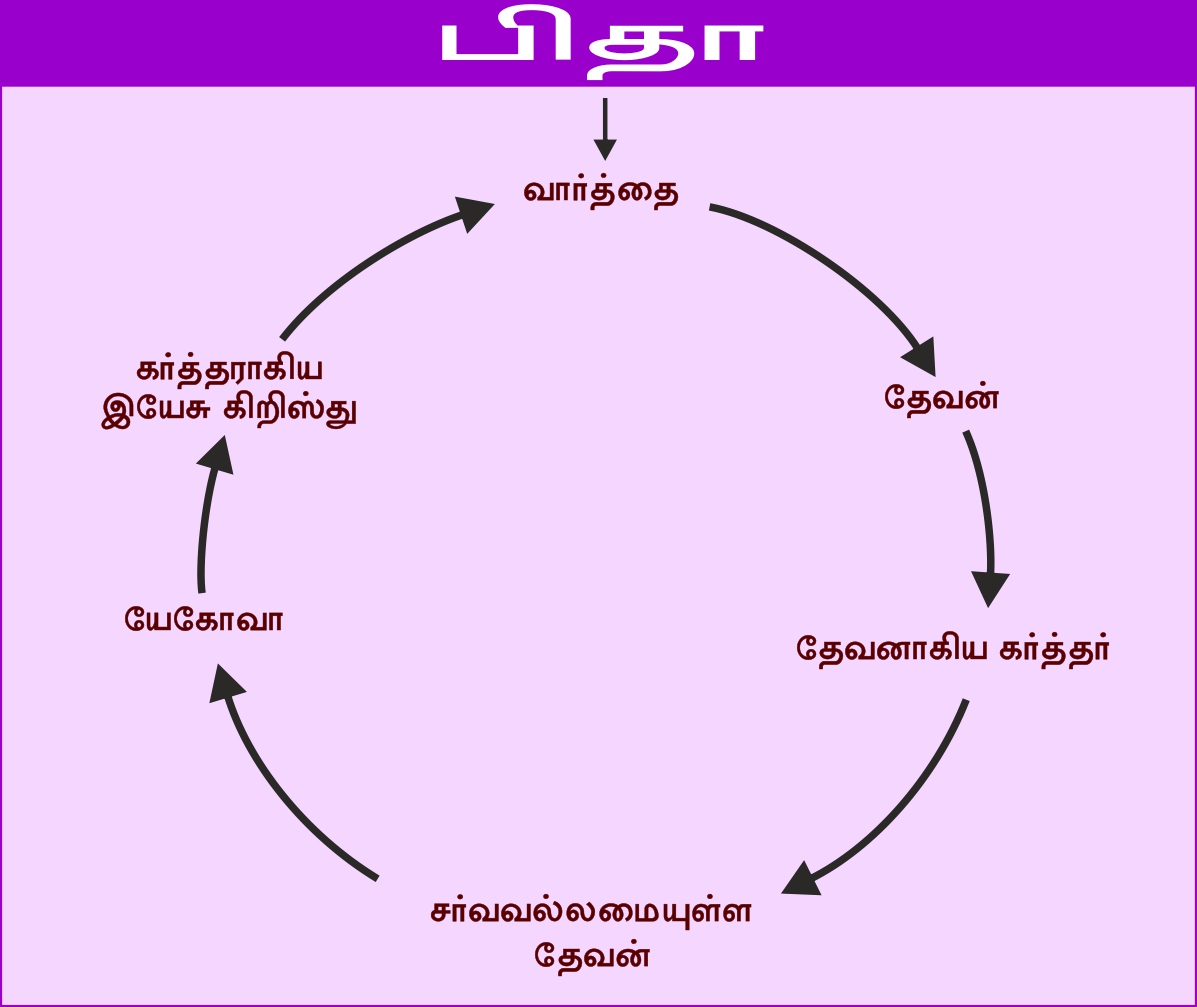
God - Creator
The Lord God - Creator of the soul
Jehovah - A law giver / the Lord of laws
The Lord Jesus Christ - the Lord for grace
The Word of God - the Lord of fulfillment of the soul.
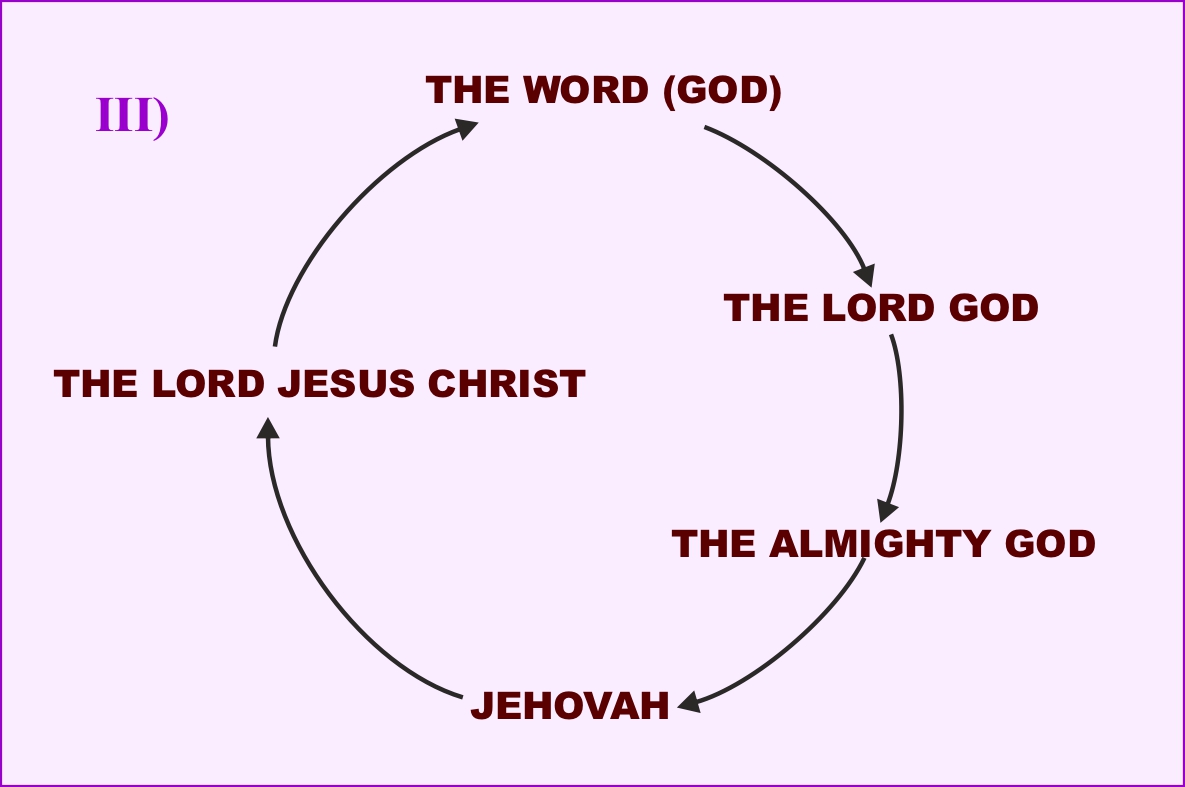
The word sent from the Father, will start His work in the name of the Word, will fulfill the works in the name of the Word at the end, and will return back to the Father.
Several lakhs of years have passed on after the creation of this earth. Still a few more lakhs of years this earth may remain yet. The stars may remain. Solar region may remain. After that, the heaven will be departed as a scroll when it is rolled together. The earth will flee away. There will be no place found for it. There will be neither the Sun nor the moon. All these will be destroyed (Rev. 20: 11; 21: 1). The one who created all these is going to destroy. The God Himself, who created all these, will destroy them all at the end of Godhead. All creatures will be destroyed in one day. Immortality, that is the state of remaining undestroyed, is only the souls created in the governance of the Lord and the angels.
The angels have no death. That is, the angels do not have a state of dying (death) because of aging. It will be the same for the souls also.
Nearly about 7000 years are over, since the creation of Adam on this earth. Even though 7000 years have passed, Adam has been living even today. Adam's body of flesh died and it became sand with sand. The soul called the innerman of which the Lord created in Adam is still living today. That condemned soul will be cast into the sea burning with fire and brimstone and will be destroyed. The expelled angels will be destroyed in the same way.
They will be cast into the sea burning with fire and brimstone and destroyed. The Words of the Scriptures proclaim this destruction as the second death (Rev. 20: 14, 15).
All the bodies of flesh will die one day. The Lord God chose a body of flesh called 'Adam' in order to give a body which should not be put into death. He breathed His breath into him. An innerman was created within him. He named the innerman as the soul. That soul has no death. Thus when He created that innerman which has no death; His name was “The Lord God”. The Lord God commanded a law to the one who had got the soul. The one who does according to the law commanded by the Lord is ordained for Eternal Life. He will never experience death.
Esau despised his birthright. Just for one morsel of meat, he despised his birthright and sold it (Heb. 12: 16). Just as the deeds of the Israelites changed as the deeds of Esau, the deeds of the Christians must change as the deeds of Esau. That is for this world only, it means, that they seek the Lord only for their needs of body of flesh and will do the works. It was the deed of Esau. They who seek the Lord only for their short-lived needs of this fleshy life are Esaus. Esau is the one who breaks the law (a law-breaker). Reason, he is ordained for condemnation.
In each season, the Lord has been commanding each law.
In Gen. 12: 1, it is said like this:
“NOW the LORD had said unto Abram, Get thee out of thy country, and from thy kindred, and from thy father’s house, unto a land that I will shew thee:”
The first law commanded to Abraham was that he should leave the land of the Chaldees and start to go into the land of Canaan. Abraham did the works according to that law. This is the first deed done by him.
In Gen. 12: 8, it is said like this:
“And he removed from thence unto a mountain on the east of Bethel, and pitched his tent, having Bethel on the west, and Hai on the east: and there he builded an altar unto the LORD, and called upon the name of the LORD.”
The second deed which Abraham did was that he built an altar unto the Lord and called upon the name of the Lord. The law given to Abraham was given in the name of the Lord “the Almighty God”.
In Gen. 12: 2-5, it is said like this:
“And I will make of thee a great nation, and I will bless thee, and make thy name great; and thou shalt be a blessing:
And I will bless them that bless thee, and curse him that curseth thee: and in thee shall all families of the earth be blessed.
So Abram departed, as the LORD had spoken unto him; and Lot went with him: and Abram was seventy and five years old when he departed out of Haran.
And Abram took Sarai his wife, and Lot his brother's son, and all their substance that they had gathered, and the souls that they had gotten in Haran; and they went forth to go into the land of Canaan; and into the land of Canaan they came.”
When the Lord said, “Get thee out of thy country”, Abraham obeyed the word and departed. If he had not departed, he would not have known and worshipped the name of the Lord. As he obeyed the law which had been commanded to him, he had got the grace of knowing what the name of the Lord is.
In Gen. 15: 4-6, it is said like this:
“And, behold, the word of the LORD came unto him, saying, This shall not be thine heir; but he that shall come forth out of thine own bowels shall be thine heir.
And he brought him forth abroad, and said, Look now toward heaven, and tell the stars, if thou be able to number them: and he said unto him, So shall thy seed be.
And he believed in the LORD; and he counted it to him for righteousness.”
“Behold, the Word of the Lord came unto him”. The Word of the Lord came unto Abraham. Abraham believed it, and it was righteous for him. He became a righteous person.
In Gen. 22: 4-6, it is said like this:
“Then on the third day Abraham lifted up his eyes, and saw the place afar off.
And Abraham said unto his young men, Abide ye here with the ass; and I and the lad will go yonder and worship, and come again to you.
And Abraham took the wood of the burnt offering, and laid it upon Isaac his son; and he took the fire in his hand, and a knife; and they went both of them together.”
In Gen. 22: 12, it is said like this:
“And he said, Lay not thine hand upon the lad, neither do thou any thing unto him: for now I know that thou fearest God, seeing thou hast not withheld thy son, thine only son from me.”
Abraham did according to all the laws which were given to him. He did not say, “You asked me to get out of the country of Chaldees; I departed. Now, if you ask me to sacrifice my son, how can I sacrifice him?” He believed each Word that was commanded to him and he did the works according to it. Therefore, he was proclaimed by the Lord as the Righteous person. Those who have the faith similar to that of Abraham are ordained for eternal life. Those who are of faith are they who did the deeds of the Word which the Lord had commanded in the time of every Church. They are the descendants of Abraham. The deeds of Abraham was the deeds of righteousness.
He gives first a Word to Abraham. It is, “You get thee out of your country” (Gen. 12: 1).
Secondly, He gives a Word, “Ishmael is not your heir” (Gen. 15: 4).
Thirdly, He gives a Word, “You send him and this bond woman away” (Gen. 21: 12). Abraham did accordingly.
Abraham delivered Isaac to be sacrificed without seeing him as his own son. He fulfilled that law also. Thus, Abraham obeyed every Word which the Lord had commanded. He fulfilled it. Those who are of faith are the descendants of Abraham. Faith is to believe the word for that day and do the deeds accordingly.
One who is created in the governance of the Lord is one who has got the soul. A Christian is one who has got the soul created by the Lord in the name of the Lord Jesus Christ. Both the judgement and condemnation are among them who have souls. Both the righteous and the wicked are the categories of people who have got the souls.
According to the New Testament, there are seven laws commanded to the natural men who have become Christians and have got the souls. This law is the law of the Church. These seven laws were proclaimed in the respective times of the Churches and segregated them who are ordained for eternal life.
The time we are now living in is the time, when the times of Churches are fulfilled and the time for adorning the bride. This is the time of the Last Testament. Now a statute is commanded by the Lord. The Lord has commanded a name for this Last statute. That name is “the Word of God”.
In Rev. 19: 13, it is said like this:
“And he was clothed with a vesture dipped in blood: and his name is called The Word of God.”
After the fulfillment of the times of seven Churches, the bride must be adorned and is going to be taken up. This has been scheduled as “secret coming”. In the Last Testament, the name “The WORD” has been commanded as a whole for the gentiles who are Christians and for the Israelites. The name “the Word” is commanded to proclaim all the hidden mysteries.
The Word reveals who God is. The Word reveals who the Lord is. Only this Word reveals who Jehovah is. Only this Word reveals who the Lord Jesus Christ is. Only this Word proclaims the secrecy of the soul. After the time of the dominion of the Lord is fulfilled, there will not be the intervention, namely 'soul' on this earth.
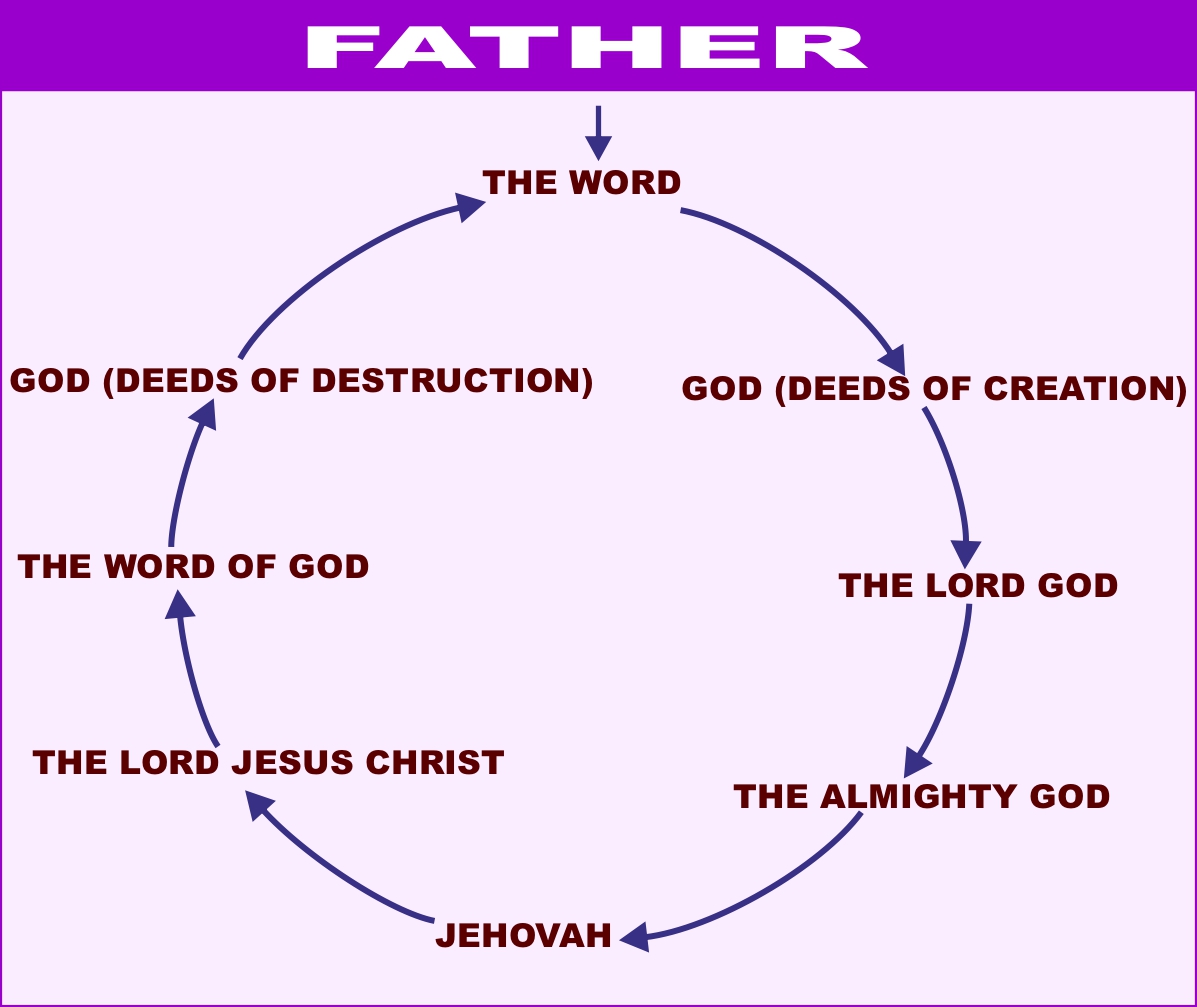
The works that began in “the Word” will end in “the Word.”
In John 1: 1, it is said like this:
“In the beginning was the Word, and the Word was with God, and the Word was God.”
In the beginning was the Word, and the Word was God. When He created, He was God. When He created the soul, namely the innerman, He worked as the Lord. Souls are works of the governance of the Lord.
After fulfilling the works of the governance of the Lord, there will be no reign of the Lord on this earth. There will be no reign of Jehovah on this earth. There will be no reign of the Lord Jesus Christ on this earth. But the name of the Lord will be there till the end of this earth. The name of Jehovah and the name of the Lord Jesus Christ will be there till the end of this earth. The name of “the Word of God” will be there till the end of this earth. But there will be no works of soul, called the 'inner man' on this earth. All these will have been fulfilled. After this, the works of God will be revealed in 'destruction'.
We are living in the last chapter of the works of the governance of the Lord. The Lord witnesses this happening as the Last Testament.
Dear beloved in Christ, in this last Testament, to receive the eternal life, the Lord has commanded His name, 'the Word of God'. That name calls us: “come out of those tents which have turned out to be Babylon, Sodom and Gomorrah.”
Amen! Amen!! Amen!!!
தேவதிட்டம் இந்தப் பூச்சக்கரத்தில் நிறைவேறிக்கொண்டிருக்கின்றது. கர்த்தர் தம்முடைய ஆதீனத்தில் முன்குறித்தபடி தம்முடைய கிரியைகளை நிறைவேற்றிக் கொண்டிருக்கின்றார். லோத்தின் நாட்களில் சோதோம் கொமோரா பட்டணத்தார் உணர்வில்லாதவர்களாய் இருந்ததுபோல, மனுஷகுமாரனுடைய நாட்களிலும் நடக்கும் என்று அறிவிக்கப்பட்டுள்ளது (லூக். 17: 28-30). தேவ திட்டம் நிறைவேறிக்கொண்டிருப்பதை அறிய முடியாதபடிக்கு, நோவாவின் நாட்களில் ஜீவித்த ஜனங்கள் உணர்வற்ற நிலையில் இருந்ததுபோலவே, மனுஷ குமாரனுடைய நாட்களிலும் இருக்கும் என்றும் முன்னறிவிக்கப்பட்டுள்ளது (லூக். 17: 26). இந்தத் தீர்க்கதரிசனம் நிறைவேற வேண்டும்.
இயேசு கிறிஸ்து மாமிசத்தில் வெளிப்பட்டபோது, வந்திருப்பவர் மேசியா என்று அறியமுடியாதபடிக்குப் பூமிக்குரிய காரியங்கள் இஸ்ரவேலரின் இருதயத்தினைக் கடினப்படுத்தி இருந்தது. அப்படியான நிலைதான், மனுஷ குமாரனுடைய நாட்களிலும் நடக்கும் என்று வார்த்தை சாட்சியிடுகின்றது. முன் அறிவித்தவைகள் நிறைவேறக்கூடிய வேளையில் நாம் இப்போது ஜீவிக்கின்றோம்.
"பாவிகள் தேவனுடைய ராஜ்யத்திற்குள் பிரவேசிக்கின்றதில்லை" என்று வார்த்தை கூறுகின்றது (1 கொரி. 6: 9,10). ஒருவன் பாவம் செய்வானேயானால், அவன் தேவனுடைய ராஜ்யத்திற்கு அந்நியன் என்று வேதம் கூறுகின்றது. எது பாவம்? எந்தப் பாவம் பரலோகராஜ்யத்திற்கு அந்நியப்படுத்துகின்றது? அதை அறியாத நிலையில் இஸ்ரவேலர்கள் இருந்தார்கள். கொலை செய்வது பாவம், விபசாரம் செய்வது பாவம், நியாயப்பிரமாணத்திற்குக் கீழ்ப்படியாதது பாவம் இப்படியாக அநேக காரியங்கள் பாவம் என்று பிரமாணத்தின்படி அறிவிக்கப்பட்டாலும், எந்தப் பாவம் நித்திய ஜீவனை சுதந்தரிக்க விடாது என்பதை அறியக்கூடிய நிலையில் அவர்கள் இல்லை.
1 யோவா. 1: 10-ல் இவ்விதமாகக் கூறப்பட்டுள்ளது:
"நாம் பாவஞ்செய்யவில்லை என்போமானால், நாம் அவரைப் பொய்யராக்குகிறவர்களாயிருப்போம், அவருடைய வார்த்தை நமக்குள் இராது."
இயேசு கிறிஸ்துவினிடத்தில் ஐசுவரியவானான ஒரு வாலிபன் வந்து: ஆண்டவரே, நித்திய ஜீவனைச் சுதந்தரித்துக்கொள்ள நான் என்ன செய்ய வேண்டும்? என்று கேட்டான். இயேசுகிறிஸ்து: நியாயப்பிரமாணம் என்ன கூறுகின்றதோ, அவைகளின்படி நீ செய் என்றார். அதற்கு அவன்: நான் என் சிறுவயது முதல் நியாயப்பிரமாணத்தில் கூறப்பட்டிருக்கின்ற எல்லாவற்றையும் கைக்கொண்டு வருகின்றேன் என்றான். அவன் எட்டாம் நாளில் விருத்தசேதனம் பண்ணப்பட்டவன்; தன் விளைச்சலிலிருந்து தசமபாகத்தினைக் கர்த்தர் கட்டளையிட்டபடி எருசலேம் தேவாலயத்திற்குக் கொண்டு சென்றவன்; பிரமாணங்களின்படி அவைகளை நிறைவேற்றியவன். மோசேயின் பிரமாணத்தில் கூறப்பட்டிருந்த வார்த்தைகள் ஒன்றையும் அவன் மீறவில்லை. என் சிறுவயது முதற்கொண்டு இவைகளைச் செய்து வருகின்றேன் என்றான். கர்த்தர் அவனிடத்தில் அன்புகூர்ந்து, உனக்கு உரியவைகள் எல்லாவற்றையும் விற்றுத் தரித்திரருக்குக் கொடுத்துவிட்டு, என்னைப் பின்பற்றி வா என்றார். மோசேயின் பிரமாணத்தில் இப்படியாக ஒரு பிரமாணம் கொடுக்கப்பட்டுள்ளதா? இல்லையே. ஆனால், அப்போது நியாயப்பிரமாணம் நிறைவேறித்தீர்ந்த வார்த்தையாய் இருந்ததினால், இந்தப் புதிய பிரமாணம் கொடுக்கப்பட்டது.
ஆனால், இஸ்ரவேலர்களுடைய இருதயம் முழுவதுமாக மாமிச சிந்தையில் இருந்தபடியினால், வந்திருந்தவர் மோசேயின் மூலம் பிரமாணத்தினைக் கட்டளையிட்டவர் என்பதை அறியாதிருந்தார்கள். அவர்களுடைய இருதயக்கடினத்தினால், இயேசுகிறிஸ்துவை, மேசியா என்று அவர்களால் ஏற்றுக்கொள்ள இயலவில்லை. வந்திருப்பவர்தான் மேசியா, இவர்தான் நமக்கு இரட்சிப்பினைக் கொடுக்க அனுப்பப்பட்டவர், இவர்தான் தாவீதின் குமாரன், இவர்தான் ஆபிரகாமின் குமாரன் என்பதை ஏற்றுக்கொள்ள இயலாத நிலையில் இருந்தார்கள். காரணம், பிரதான ஆசாரியர்களுடைய கூட்டமும், வேதபாரகருடைய கூட்டமும், பரிசேயர் சதுசேயருடைய பயிற்சியினைப் பெற்றவர்களுடைய கூட்டமும் இயேசுவைக் கர்த்தரென்று ஏற்றுக்கொள்ளவில்லை. அவரைக் கிறிஸ்து என்று அறிக்கையிடவில்லை. எனவே, எருசலேம் விசுவாசிகளின் கூட்டமும் இயேசுகிறிஸ்துவைக் கர்த்தர் என்று அறிக்கையிடவில்லை. நான் பிரதான ஆசாரியன், என்னிடத்தில் மகிமை இருக்கின்றது; மோசேயின் பிரமாணங்களை இந்த ஜனங்களுக்கு அறிவிப்பவன் நான்தான்; நான் ஆரோனின் வம்சத்தான் என்பதாய் மாமிசத்தில் மேன்மைபாராட்டினார்கள் அபிஷேகிக்கப்பட்ட ஆசாரியர்கள். எனவே, அவர்களால் இயேசுவைக் கர்த்தரென்று ஏற்றுக்கொள்ள இயலவில்லை.
இயேசுகிறிஸ்து மாமிச மகிமை பொருந்தியவராக வரவில்லை. தாவீதின் குமாரன், தாவீதைப்போல ராஜசிம்மாசனத்தில் இருக்கத்தக்கவிதமாய் மாமிச மேன்மையுள்ளவராய் வரவில்லை. அவர் தச்சன் மகனாக வந்தார். மாமிசத்தில் மேன்மை பாராட்டிய இஸ்ரவேலருடைய இருதயக்கடினம் தச்சன் மகனான அவரை ஏற்றுக்கொள்ளவில்லை; அவர்கள் நியாயப்பிரமாணத்தில் கட்டளையிட்டபடியெல்லாம் செய்தார்கள். ஆனால், அந்த நாளுக்கென்று கட்டளையிடப்பட்டிருந்த மேலான ஒரு காரியத்தினை விசுவாசிக்கத்தக்க இருதயம் அவர்களிடத்தில் இல்லாதிருந்தது. அதனால்தான், ஸ்தேவான்: இருதயத்திலும் செவியிலும் விருத்தசேதனம் இல்லாதவர்கள் என்று கூறினான் (அப். 7: 51). அதைத்தான் அப்போஸ்தலனாகிய பவுலும் அறிக்கையிட்டான் (ரோம. 2: 29). அவர்கள் மாமிச சரீரத்தில் மாத்திரம் விருத்தசேதனம் என்ற அடையாளத்தினைக் கொண்டிருந்தார்கள். அதுவே தங்களின் மேன்மை என்ற எண்ணம் கொண்டிருந்தனர். அப்படியான ஒரு நிலைதான் அவருடைய இரகசிய வருகையின்போதும் இருக்கும் என்று முன்னறிவிக்கப்பட்டுள்ளது. விசுவாசிக்க முடியாதபடி தடை செய்வது இருதயக்கடினம். இந்த இருதயக்கடினம் பாவம். பாவம் என்பது இருள்; இருளிலிருந்து வெளிவரவேண்டும்; இருளில் இருந்து வெளியேறி ஒளியில் நடக்க வேண்டும்.
1 யோவா. 1: 7-ல் இவ்விதமாகக் கூறப்பட்டுள்ளது:
"அவர் ஒளியிலிருக்கிறதுபோல நாமும் ஒளியிலே நடந்தால் ஒருவரோடொருவர் ஐக்கியப்பட்டிருப்போம்; அவருடைய குமாரனாகிய இயேசுகிறிஸ்துவின் இரத்தம் சகல பாவங்களையும் நீக்கி, நம்மைச் சுத்திகரிக்கும்."
பாவம் செய்பவன் இருளில் இருக்கின்றான். அவன் இருளிலிருந்து ஒளிக்கு வரவேண்டும். அந்த ஒளி எந்த மனுஷனையும் உயிர்ப்பிக்கின்ற மெய்யான ஒளி. அந்த ஒளி வார்த்தையில் இருக்கின்றது. அந்த வார்த்தை அன்று மாமிசத்தில் இருந்தது. இன்று அது ஆவியாய் கிரியை செய்கின்றது.
யோவா. 1: 1, 4-ல் இவ்விதமாகக் கூறப்பட்டுள்ளது:
"ஆதியிலே வார்த்தை இருந்தது, அந்த வார்த்தை தேவனிடத்திலிருந்தது, அந்த வார்த்தை தேவனாயிருந்தது.
அவருக்குள் ஜீவன் இருந்தது, அந்த ஜீவன் மனுஷருக்கு ஒளியாயிருந்தது."
ஆதியிலே வார்த்தை இருந்தது; அந்த வார்த்தையில் ஜீவன் இருந்தது; அந்த ஜீவன் மனுஷருக்கு ஒளியாய் இருந்தது. அந்த ஒளி, பாவம் என்ற இருளை நீக்குகின்றது. பாவம் என்ற இருள் நீங்க, நம்மிடத்தில் பாவம் இல்லையென்று அறிக்கையிடாது, பாவத்தினை உணர்த்த வேண்டுதல் செய்யவேண்டும். பாவத்தை அறிய வார்த்தை வேண்டும். வார்த்தையில் விசுவாசம் பாவத்தை நீக்கும். வார்த்தைதான் பாவம் இன்னதென்று சாட்சியிடும்.
நோவாவின் நாட்களில் நடந்ததுபோல, மனுஷகுமாரனுடைய நாட்களிலும் நடக்கும். மனுஷகுமாரனுடைய நாள் என்பது இயேசுகிறிஸ்துவின் இரகசிய வருகையின் நாளாகும். நோவாவின் நாட்களில் ஒரு உணர்வற்ற நிலை காணப்பட்டது. நோவாவிற்குக் கர்த்தரால் ஒரு வார்த்தை கொடுக்கப்பட்டது. அந்த வார்த்தை பேழையினைக் கட்டி, பேழைக்குள் பிரவேசி என்பதாகும் (ஆதி. 6: 14, 18). அந்த வார்த்தையில் ஜீவன் இருந்தது. அந்த வார்த்தையில் உயிர் இருந்தது. அந்த உயிர் ஒளியாயிற்று. ஜலப்பிரளயத்திலிருந்து நோவாவையும் நோவா குடும்பத்தாரையும் அந்த ஒளி காப்பாற்றியது. பேழையினைக் கட்டவேண்டும் என்று கட்டளையிடப்பட்ட அந்த வார்த்தையில் இன்று உயிர் இருக்கின்றதா? இன்று அந்த வார்த்தை பலன் கொடுத்து நிறைவேறிய வார்த்தை, அது நிறைவேறித்தீர்ந்த வார்த்தை. நோவாவைப் போல இன்று நாம் பேழையினைக் கட்டுவோமேயானால், அந்தப் பேழை பரலோகராஜ்யத்தினுள் நம்மை அழைத்துச் செல்லாது. வார்த்தையில் ஜீவன் வேண்டும். ஜீவனுள்ள வார்த்தை வேண்டும், இரட்சிப்பினைக் கொடுக்கக்கூடிய அளவிற்கு திராணியுள்ள வார்த்தை வேண்டும். அது அன்றைக்கென்று ஜீவனைக் கொடுக்கக்கூடிய வார்த்தையாகும்.
லோத்தின் நாட்களில், சோதோம் கொமோரா பட்டணத்தினைவிட்டு வெளியேற வேண்டும் என்பது உரைக்கப்பட்ட வார்த்தை (ஆதி. 19: 15-17) . நியாயப்பிரமாணம் இஸ்ரவேலர்களுக்குக் கட்டளையிடப்பட்ட வார்த்தை. இந்த வார்த்தைகளில் உயிர் இருந்தது. மோசேயின்மூலம் கட்டளையிடப்பட்ட வார்த்தையில் உயிர் இருந்தது. அந்த வார்த்தையினை விசுவாசித்து, அதன்படியான கிரியைகளைச் செய்த ஒவ்வொரு இஸ்ரவேலனும் ஜீவனுக்குரியவனாக மாறினான்.
ஆதி. 1: 1-ல் இவ்விதமாகக் கூறப்பட்டுள்ளது:
"ஆதியிலே தேவன் வானத்தையும் பூமியையும் சிருஷ்டித்தார்."
வானத்தையும் பூமியையும் சிருஷ்டித்தபோது, அவர் தேவனாக இருந்தார். அவரிடத்தில் வல்லமை இருந்தது. அது சிருஷ்டிப்பின் வல்லமை. அவர் உருவாகக்கடவது என்றார்; அவைகள் உருவாயிற்று. வெளிச்சம் உண்டாகக்கடவது என்றார்; வெளிச்சம் உண்டாயிற்று. ஜலங்கள் பிரியக்கடவது என்றார்; ஜலங்கள் பிரிந்தது. பூமியிலும் வானத்திலும் இருக்கக்கூடிய ஒவ்வொரு ஜீவராசிகளும் உண்டாகக்கடவது என்றார். அவைகளெல்லாம் உருவாயிற்று. இவை எல்லாவற்றையும் உருவாக்கியவர் தேவன். இப்படி எல்லாவற்றையும் உருவாக்கி, ஏழாம் நாள் தேவன் ஓய்ந்திருந்தார்.
ஆதி. 2: 3-ல் இவ்விதமாகக் கூறப்பட்டுள்ளது:
"தேவன் தாம் சிருஷ்டித்து உண்டுபண்ணின தம்முடைய கிரியைகளையெல்லாம் முடித்தபின்பு அதிலே ஓய்ந்திருந்தபடியால், தேவன் ஏழாம் நாளை ஆசீர்வதித்து, அதைப் பரிசுத்தமாக்கினார்."
ஆதியாகமம் முதலாம் அதிகாரம் முழுவதும், தேவனின் கிரியைகளைக் குறித்த காரியங்களாகும். இவைகள் தேவத்துவத்தின் கிரியைகளாகும். சிருஷ்டிக்கப்பட்டபோது அந்த சிருஷ்டிகருக்குக் கட்டளையிடப்பட்டிருந்த நாமம் தேவன். ஆறு நாட்களிலும் ஒவ்வொன்றாக உருவாக்கினார். ஏழாம் நாளில் அவர் ஓய்ந்திருந்தார். சிருஷ்டிப்பின் கிரியைகள் நிறைவேறும் வரையிலும் அவருக்குக் கட்டளையிடப்பட்டிருந்த நாமம் "தேவன்".
ஆதி. 2: 7-ல் இவ்விதமாகக் கூறப்பட்டுள்ளது:
"தேவனாகிய கர்த்தர் மனுஷனைப் பூமியின் மண்ணினாலே உருவாக்கி, ஜீவசுவாசத்தை அவன் நாசியிலே ஊதினார், மனுஷன் ஜீவாத்துமாவானான்."
தேவன் எல்லாவற்றையும் உருவாக்கியவர். அவர் எல்லாவற்றையும் உருவாக்கிய பின்னர், ஏழாம் நாளில் ஓய்ந்திருந்தார். அதன்பின்னர், ஆத்துமா என்ற உள்ளான மனிதன் உருவாக்கப்பட்டான். அப்பொழுது அவருக்குக் கட்டளையிடப்பட்ட நாமம் "தேவனாகிய கர்த்தர்".
தேவனாக எல்லாவற்றையும் உருவாக்கியவர், தேவனாகிய கர்த்தராயிருந்து ஆதாமிடம் ஆத்துமாவை உருவாக்கினார். ஆதாமிற்குள் ஜீவ சுவாசத்தினை ஊதினார். ஆதாம் ஜீவாத்துமா உள்ளவன் ஆனான். ஆதாம், ஆத்துமா உள்ளவன் ஆனான். ஆத்துமா உள்ளவனை உருவாக்கியபோது, அந்த தேவனுக்குக் கட்டளையிடப்பட்டிருந்த நாமம் தேவனாகிய கர்த்தர். இது கர்த்தத்துவத்தின் ஆரம்பம்.
ஒரு மனிதன் கிறிஸ்தவனாகப் பிறந்து, கிறிஸ்தவனாக வளர்ந்து, வேதாகமத்தில் கட்டளையிடப்பட்டுள்ளபடி செயல்பட்டு, எந்த வார்த்தையில் ஒளி இருக்கின்றதோ, அந்த வார்த்தையினை ஏற்றுக்கொண்டு மாமிச சரீரத்தில் மரித்தால் மாத்திரமே, அவன் பரலோகம் என்ற சுதந்தரத்தினைப் பெறுவதற்காகப் பரதீசியில் இளைப்பாறுவான். இதுதான் தேவ திட்டம். மரணத்திற்குப் பின்னர் ஒரு வாழ்க்கை உண்டு என்று விசுவாசிப்பவன் பரிசேயன்; சதுசேயன் மரணத்திற்குப்பின் ஜீவன் உண்டென்று விசுவாசியாதவன். அவர்களின் விசுவாசத்திற்குத் தக்கதாகக் கர்த்தர் தம்முடைய கிரியைகளை மாற்றிக்கொள்வதில்லை. கர்த்தருடைய கிரியைகளை ஏற்றுக்கொள்பவன் ஜீவனுக்குரியவன்.
நம்மிடத்தில் ஒரு நாய் இருக்கின்றது. அது கீழ்ப்படிதலுள்ள ஒரு நாய். அது மிகவும் அறிவுள்ள நாய். நம்முடைய பிள்ளைகளையும், நம்முடைய வீட்டையும் நன்றாகக் காவல் காக்கின்றது; நமக்கு அது பிரயோஜனமாக இருக்கின்றது. அப்படிப்பட்ட அந்த நாய் ஒருநாள் மரித்துப்போகின்றது. அந்த நாய் பரலோகராஜ்யத்திற்குள் செல்லுமா? அது மிகவும் நல்ல நாய் ஆயிற்றே. யாரையும் கடித்ததே கிடையாதே. அந்த நாய் பரலோக ராஜ்யத்திற்குள் செல்லுமா? செல்லாது. ஏன் போகாது? ஏனென்றால், மனிதனுக்குள் மாத்திரம்தான் ஆத்துமா என்ற கிருபை கட்டளையிடப்பட்டுள்ளது. வேறு எந்த ஜீவராசிகளுக்கும் அந்தக் கிருபை கொடுக்கப்படவில்லை. ஏன் மனிதனுக்கு மாத்திரம் அந்தக் கிருபை கொடுக்கப்பட்டிருக்கின்றது என்றால், மனிதன் தேவசாயலில் சிருஷ்டிக்கப்பட்டான். அவனுக்குள் கர்த்தர் தம்முடைய சுவாசத்தினை ஊதினார்; அவன் ஜீவாத்துமா ஆனான். நாயின் தன்மையே ஜென்ம சுபாவத்தாரின் தன்மையும். அது ஜீவனுக்கு அப்பாற்பட்டதாகும்.
முதலாம் பிரமாணம் ஆதாமிற்குக் கட்டளையிடப்பட்டது. அந்தப் பிரமாணத்தின்படி நன்மை தீமை அறியத்தக்க விருட்சத்தின் கனியினைப் புசிக்கக்கூடாது. இந்தப் பிரமாணத்தில் அப்போது ஜீவன் இருந்தது. அந்த ஜீவன் ஒளியாக இருந்தது. ஆனால், மனிதனுடைய கிரியைகள் ஒளியினைப் பார்க்கிலும் இருளினிடத்தில் வாஞ்சையாய் இருந்தபடியினால், இருளுக்குரியவனாகிய சர்ப்பத்தினுடைய வார்த்தைக்குக் கீழ்ப்படிந்து, புசிக்காதே என்று தடைசெய்யப்பட்ட அந்த விருட்சத்தின் கனியினைப் புசித்தான்.
உள்ளான மனிதனான ஆத்துமாவை உருவாக்கியபோது கட்டளையிடப்பட்ட நாமம் "தேவனாகிய கர்த்தர்". புசிக்காதே என்று கட்டளையிடப்பட்ட பிரமாணத்தினை மீறிப் புசித்ததால் மரணத்திற்கென்று ஆதாம் ஒப்புக்கொடுக்கப்பட்டான். ஆதாம் மாமிசத்தில் மரித்தான். அவனின் ஆத்துமா இப்போதும் எரிநரகத்தில் ஆக்கினைத் தீர்ப்பிற்கென்று காத்துக்கொண்டிருக்கின்றது.
ஆதாம் ஆக்கினைத்தீர்ப்படைந்து இரண்டாம் மரணத்திற்கென்று காத்துக்கொண்டிருக்கின்றான். கடைசி ஆத்துமா மாமிசத்தில் ஜெனிப்பிக்கப்பட்டு, அதனுடைய கிரியைகள் நிறைவேறிய பின்னர் 8-ம் நாளின் பகற்பொழுது நிறைவடையும். ஆயிரவருட அரசாட்சிக்குப் பின்னர், ஆக்கினைக்குரிய ஆத்துமாக்கள் அக்கினிக்கடலில் தள்ளப்படும். இதைத்தான் இரண்டாம் மரணம் என்று வேதம் சாட்சியிடுகின்றது (வெளி. 21: 8).
ஆபிரகாமோடு கர்த்தர் உடன்படிக்கை செய்தார். அந்தத் தேவனாகிய கர்த்தர், ஆபிரகாமிற்குத் தன்னை வெளிப்படுத்தியபோது, அவரது நாமம் "சர்வ வல்லமையுள்ள தேவன்".
ஆதி. 17: 1-ல் இவ்விதமாகக் கூறப்பட்டுள்ளது:
"ஆபிராம் தொண்ணூற்றொன்பது வயதானபோது, கர்த்தர் ஆபிராமுக்குத் தரிசனமாகி: நான் சர்வவல்லமையுள்ள தேவன்; நீ எனக்கு முன்பாக நடந்து கொண்டு உத்தமனாயிரு."
அதன்பின்னர், ஆத்துமா பெற்ற இஸ்ரவேலர்களை எகிப்து தேசத்திலிருந்து வாக்குத்தத்தம் செய்யப்பட்ட கானான் தேசத்திற்குள் அழைத்துச் செல்வதற்காக, கட்டளையிடப்பட்டிருந்த நாமம் "யேகோவா".
யாத். 6: 3-ல் இவ்விதமாகக் கூறப்பட்டுள்ளது:
"சர்வவல்லமையுள்ள தேவன் என்னும் நாமத்தினால் நான் ஆபிரகாமுக்கும் ஈசாக்குக்கும் யாக்கோபுக்கும் தரிசனமானேன்; ஆனாலும் யேகோவா என்னும் என் நாமத்தினால் நான் அவர்களுக்கு அறியப்படவில்லை."
ஆத்துமா என்ற உள்ளான மனிதனைக் கருத்தரிக்கத் தகுதியில்லாதிருந்த மாமிச சரீரங்களாக புறஜாதிகள் இருந்தார்கள். இஸ்ரவேலின் காணியாட்சிக்கு அவர்கள் அந்நியர்கள். அப்படியான புறஜாதிகளுக்கு கர்த்தராகிய இயேசுகிறிஸ்து என்ற நாமத்தில் ஜீவன் கட்டளையிடப்பட்டது; புறஜாதிகளுக்குக் கட்டளையிடப்பட்ட அந்தக் கிருபைதான் ஆத்துமா என்ற உள்ளான மனிதன்.
மாமிச சரீரத்திற்குள்ளாக ஆத்துமா என்ற உள்ளான மனுஷனைக் கருத்தரிக்கக்கூடிய ஒரு நிலைதான் கிருபை.
கடைசி ஏற்பாட்டின் காலத்தில் நிறைவேறப்போகின்ற ஒரு இரகசியத்தினைக் கர்த்தர் அறிவிக்கின்றார். இஸ்ரவேலர் மத்தியில் இருந்த கிருபை என்ற உள்ளான மனுஷன் (ஆத்துமா) புறஜாதிகளுக்குள் திரும்பியதுபோல, கிறிஸ்தவர்களுக்கு மத்தியில் இருந்து அந்தக் கிருபை இஸ்ரவேலரை நோக்கித் திரும்பிச் செல்ல வேண்டும்.
சிருஷ்டிகராகக் கிரியைகளைச் செய்த தேவனைப் புறஜாதிகள் தொழுதிருக்கலாம். ஆனால், ஆத்துமா என்ற உள்ளான மனுஷனை உருவாக்கிய தேவனாகிய கர்த்தரின் நாமத்தினைத் தொழுதுகொள்ளவும், அவருக்கென்று பலிசெலுத்தவும் புறஜாதிகள் அனுமதிக்கப்படவில்லை. ஜென்ம சுபாவத்தாராகிய புறஜாதிகளுக்கு இந்தக் கிருபை கர்த்தராகிய இயேசுகிறிஸ்து என்ற நாமத்தின் மூலம் கட்டளையிடப்பட்டது. இந்தக் கிருபை கிறிஸ்தவர்களின் இருதயகடினத்தின் மூலம் இஸ்ரவேலர்களிடம் திரும்பப்போகின்றது. ஒவ்வொரு நிலையிலும் ஜனங்களின் இருதயக்கடினத்தின்போது கர்த்தர் தமது நாமத்தினை வெளிப்படுத்தி வந்துள்ளார். அதுபோலவே, இந்தக் கடைசி ஏற்பாட்டின் காலத்திலும் கர்த்தர் தமது நாமத்தினை வெளிப்படுத்துகின்றார். அந்த நாமம் "தேவனுடைய வார்த்தை" என்பதே.
வெளி. 19: 13-ல் இவ்விதமாகக் கூறப்பட்டுள்ளது:
"இரத்தத்தில் தோய்க்கப்பட்ட வஸ்திரத்தைத் தரித்திருந்தார்; அவருடைய நாமம் தேவனுடைய வார்த்தை என்பதே."
பிதாவின் கிரியைகள் "வார்த்தை"மூலம் ஆரம்பமாகி "வார்த்தை"மூலம் நிறைவடையும்.
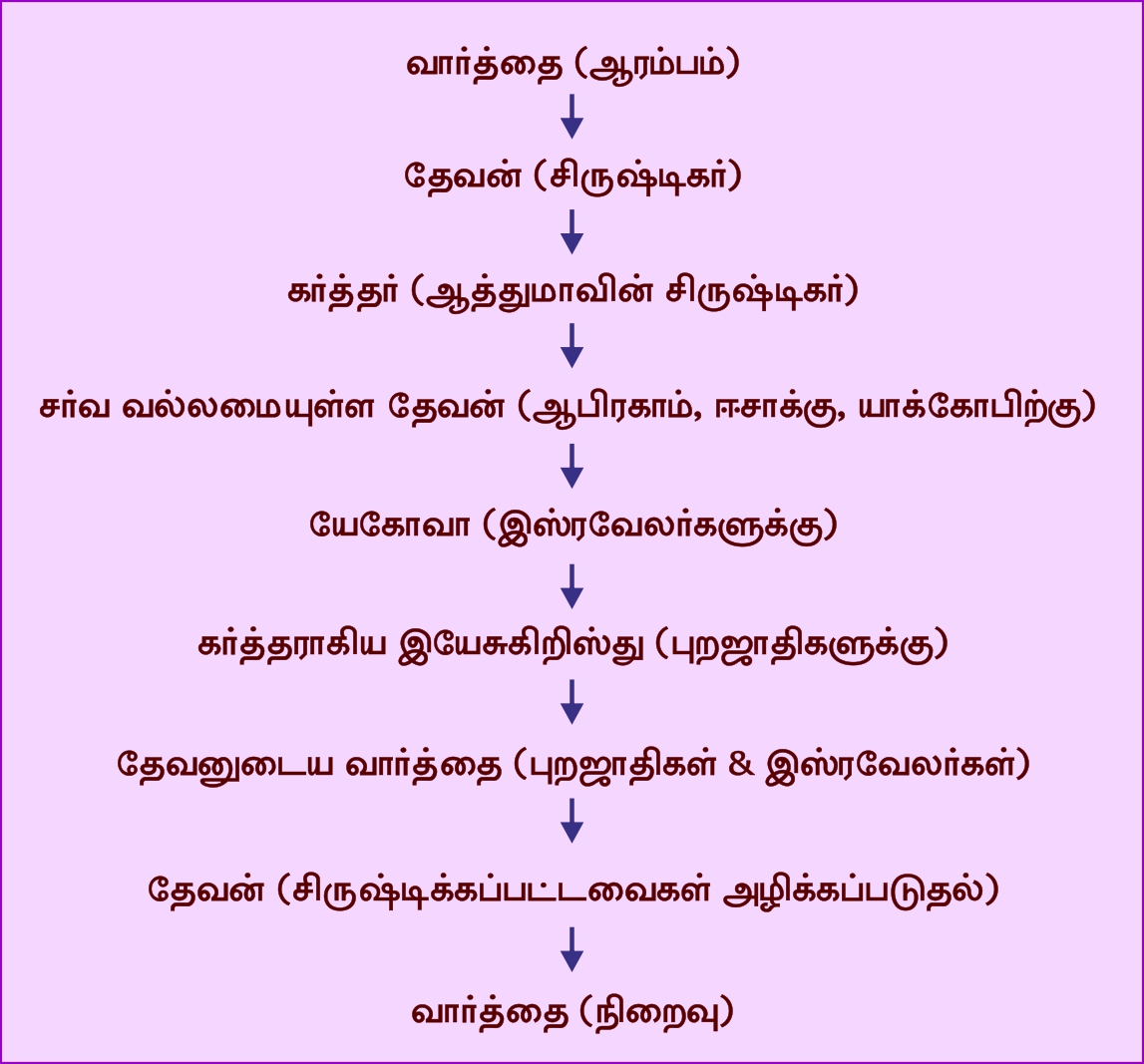
ஜென்ம சுபாவத்தாராய் இருந்து ஆத்துமா என்ற உள்ளான மனுஷனைப் பெறமுடியாதிருந்த ஜனக்கூட்டம் புறஜாதிகள். அந்தப் புறஜாதிகள் புதிய ஏற்பாட்டின் காலத்தில் இயேசுகிறிஸ்து என்ற நாமத்தில் ஆத்துமா பெற்றவர்கள் ஆனார்கள். அப்படி ஆத்துமாவைப் பெற்றவர்களுக்கு இந்தக் கடைசி ஏற்பாட்டின் காலத்தில் "தேவனுடைய வார்த்தை"என்ற நாமம் நித்திய ஜீவனைப் பெற்றுக்கொள்ள கட்டளையிடப்பட்டுள்ளது. ஆதியில் வானத்தையும் பூமியையும் உருவாக்கியது வார்த்தை (எபி. 11: 3); ஒளியினைக் கட்டளையிட்டது வார்த்தை. அந்த வார்த்தையில் ஜீவன் இருந்தது. ஏழு சபைக்காலங்களும் நிறைவடைந்த பின்னர் எழும்பக்கூடிய காலமே கடைசி ஏற்பாட்டின் காலம். அது மணவாட்டி அலங்கரிக்கப்படக்கூடிய காலம். மணவாட்டி எடுத்துக்கொள்ளப்பட்ட பின்னர், ஆக்கினைக்குரிய ஆத்துமா கொண்டவனுக்கு இந்தப் பூமியும் நரகம் போன்று வேதனைக்குரிய இடமாகவே இருக்கும்.
இங்கே சங்கீதக்காரனான தாவீது ஒரு பாடலினைப் பாடுகின்றான்.
சங். 42: 1, "மானானது நீரோடைகளை வாஞ்சித்துக் கதறுவதுபோல, தேவனே, என் ஆத்துமா உம்மை வாஞ்சித்துக் கதறுகிறது."
"மானானது நீரோடைகளை வாஞ்சித்துக் கதறுவதுபோல, என் ஆத்துமா தேவனை வாஞ்சித்துக் கதறுகின்றது". உயிருள்ளதாக இருக்கும் மானுக்குத்தான் தாகம் வரும்; மரித்துப்போனால் தாகமிராது. தாகமாயிருக்கின்ற மான் நீரோடையினை வாஞ்சிக்கும். எந்த இடத்தில் தண்ணீர் இருக்கின்றதோ, அந்த இடத்திற்குச் செல்லவேண்டும், தண்ணீர் பருகவேண்டும், தன்னுடைய தாகம் தீரவேண்டும் என்பதற்காக அது நீரோடையினை வாஞ்சிக்கும். சங்கீதக்காரன் பாடுகின்றான்: மானானது நீரோடைகளை வாஞ்சித்துக் கதறுவதுபோல, என் ஆத்துமா தேவனை வாஞ்சித்துக் கதறுகின்றது என்று. ஆத்துமா ஜீவனுக்குரியதாக இருந்தால், அது நீரோடையினை வாஞ்சித்துக் கதறும். அந்தத் தண்ணீர் வார்த்தை; அது நித்திய ஜீவனுக்குரிய வார்த்தை.
இங்கே பாடப்பட்ட சங்கீதக்காரனின் பாடலுக்கு சத்துருவாகக் காணப்பட்டவன் சவுல். சவுலும் ஆத்துமா கொண்ட இஸ்ரவேலன்தான். ஆனால், அவனிடத்தில் ஜீவனுக்குரிய தாகமில்லை. தாவீது அப்சலோமைக் கண்டு பயந்து ஓடினான். நெருக்கமான நேரங்களிலெல்லாம் அவன் சங்கீதம் பாடினான். நெருக்கத்தின் மத்தியில் தாவீது பாடின சங்கீதங்கள் அநேகம். அதில் ஒன்றுதான்: மானானது நீரோடைகளை வாஞ்சித்துக் கதறுவதுபோல, என் ஆத்துமா ஜீவனுள்ள தேவனை வாஞ்சித்துக் கதறுகின்றது என்ற இந்த சங்கீதம்.
நித்திய ஜீவனுக்குரிய ஆத்துமாக்கள், அந்த நாளுக்கென்று கர்த்தர் அனுப்பும் வார்த்தையினை வாஞ்சிக்கும். காரணம், அந்த வார்த்தையில்தான் ஜீவன் இருக்கும்; ஒளி இருக்கும். அந்த ஒளிதான் ஒரு மனிதனை உயிர்ப்பிக்கும். ஜீவனுக்கென்று உயிர்ப்பிக்க அனுப்பப்படும் வார்த்தை அந்தக் காலத்திற்கென்று கர்த்தர் கட்டளையிட்டுள்ள நாமத்தில் வெளிப்படும்.
அந்த நாமம் ஜீவனுக்குரிய வார்த்தைக்குச் சாட்சியிடும். அந்த நாமம் விசுவாசிப்பவர்களுக்கு ஒளியினைக் கொடுக்கும். அந்த நாமம் விசுவாசிப்பவர்களுக்கு ஜீவனைக் கொடுக்கும். அந்த நாமத்தினைத் தெரிந்துகொள்ளப்பட்டவர்கள் விசுவாசிப்பார்கள்.
வேதாகமத்தில் நாமத்திற்குரிய கிரியைகள் கீழ்க்காணுமாறு அறிவிக்கப்பட்டுள்ளது:
தேவன் - சிருஷ்டிகர்
தேவனாகிய கர்த்தர் - ஆத்துமாவின் சிருஷ்டிகர்
யேகோவா - நியாயப்பிரமாணிகன் / நியாயப்பிரமாணக் கர்த்தர்
கர்த்தராகிய இயேசுகிறிஸ்து - கிருபைக்குக் கர்த்தர்
தேவனுடைய வார்த்தை - ஆத்துமாவின் நிறைவிற்குக் கர்த்தர்
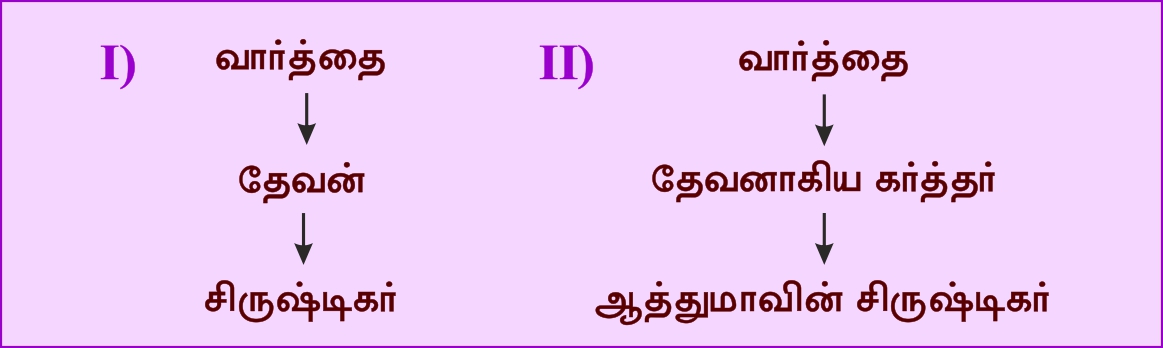
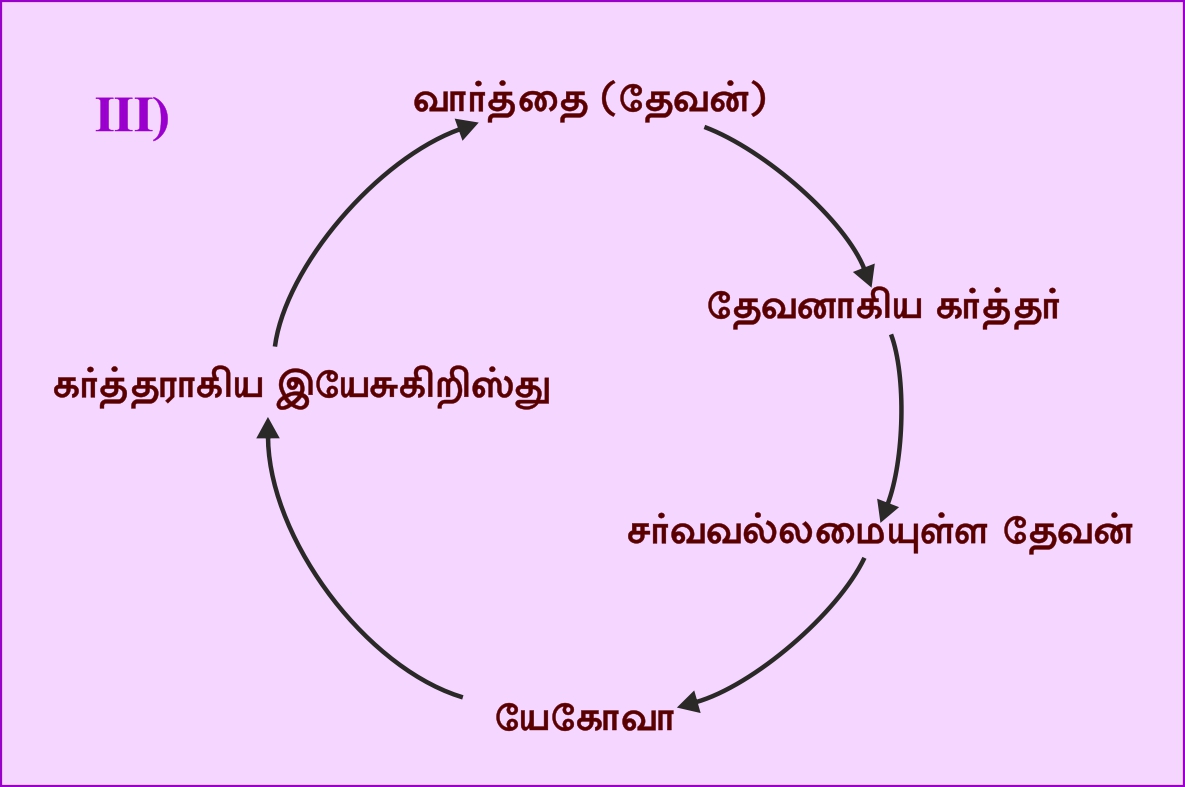
பிதாவிடமிருந்து அனுப்பப்பட்ட வார்த்தை, தேவன் என்ற நாமத்தில் கிரியையினை ஆரம்பித்து, வார்த்தை என்ற நாமத்தில் கிரியைகளை நிறைவேற்றி, பிதாவிடம் சென்றடைகின்றது.
பூமி சிருஷ்டிக்கப்பட்டு பல இலட்சம் ஆண்டுகள் ஆகின்றது. இன்னமும் சில இலட்சம் ஆண்டுகள் இந்தப் பூமி இருக்கும். நட்சத்திரங்கள் இருக்கும்; சூரிய மண்டலங்கள் இருக்கும். அதன்பின்னர், சுருட்டப்பட்ட புத்தகம்போல வானம் சுருட்டப்பட்டுவிடும். பூமி இருக்கக்கூடிய இடம் காணாமற் போய்விடும். சூரியன் இராது, சந்திரன் இராது. இவைகளெல்லாம் அழிக்கப்பட்டுவிடும் (வெளி. 20: 11; 21: 1). இவைகளை உருவாக்கியவரே இவைகளை அழிக்கப்போகின்றார். இவைகளையெல்லாம் உருவாக்கிய தேவன்தாமே தேவத்துவத்தின் நிறைவில் இவைகளை அழித்துப்போடுவார். சிருஷ்டிக்கப்பட்டவைகள் யாவும் ஒருநாள் அழிக்கப்பட்டுவிடும். அழிவில்லாத நிலையில் இருப்பது கர்த்தத்துவத்தில் உருவாக்கப்பட்ட ஆத்துமாக்களும், தேவதூதர்களும்தான்.
தேவதூதர்களுக்கு மரணம் இல்லை. அதாவது காலத்தின் முதிர்ச்சியினால் மரணம் என்ற ஒரு நிலை தேவதூதர்களுக்கு இல்லை. அதேநிலைதான் ஆத்துமாவிற்கும்.
ஆதாம் இந்தப் பூமியில் சிருஷ்டிக்கப்பட்டு கிட்டத்தட்ட 7000 ஆண்டுகள் ஆகின்றது. இந்த 7000 ஆண்டுகளும், ஆதாம் உயிரோடிருக்கின்றான். ஆதாமின் மாமிச சரீரம் மரித்து மண்ணோடு மண்ணாகி விட்டது. ஆதாமிற்குள் கர்த்தர் உருவாக்கிய உள்ளான மனுஷனாகிய ஆத்துமா இப்போதும் உயிரோடு இருக்கின்றது. அது ஆக்கினைத்தீர்ப்படைந்து அக்கினியும் கந்தகமும் எரியக்கூடிய கடலில் தள்ளப்பட்டு அழிக்கப்படும். தள்ளப்பட்ட தேவதூதர்களும் அப்படியாகவே அழிக்கப்படுவார்கள்.
அக்கினியும் கந்தகமும் எரியக்கூடிய கடலில் தள்ளப்பட்டு அழிக்கப்படுவதை இரண்டாம் மரணம் என்று வேதம் கூறுகின்றது (வெளி. 20: 14, 15).
எல்லா மாமிச சரீரங்களும் ஒரு நாள் மரித்துப்போகும். மரணத்திற்குள்ளாகாத ஒரு சரீரத்தினைக் கொடுப்பதற்காகத்தான் தேவனாகிய கர்த்தர் ஆதாம் என்ற ஒரு மாமிச சரீரத்தினைத் தெரிந்தெடுத்தார். அவனுக்குள் தமது சுவாசத்தினை ஊதினார். அவனுக்குள் உள்ளான ஒரு மனிதன் உருவாக்கப்பட்டான்; அந்த உள்ளான மனிதனுக்கு ஆத்துமா என்று பெயரிட்டார். அந்த ஆத்துமாவிற்கு மரணமில்லை. மரணமில்லாத அந்த உள்ளான மனிதனை உருவாக்கியபோது, அவரது நாமம் "தேவனாகிய கர்த்தர்". ஆத்துமா பெற்றவனுக்கு அவர் ஒரு பிரமாணத்தினைக் கட்டளையிட்டார். அவர் கட்டளையிட்ட பிரமாணத்தின்படி செய்பவன் நித்திய ஜீவனுக்குரியவன்; அவன் ஒருக்காலும் மரணத்தினைக் காண்பதில்லை.
ஏசா தன்னுடைய சேஷ்ட புத்திர பாகத்தினை உதாசீனம் செய்தான். ஒரு கலம் உணவிற்காகத் தன்னுடைய சேஷ்டபுத்திர பாகத்தினை அலட்சியம்செய்து அதனை விற்றுப்போட்டான்(எபி. 12: 16). இஸ்ரவேலரின் கிரியைகள் ஏசாவின் கிரியைகளைப் போல் மாறியதுபோன்று, கிறிஸ்தவர்களின் நிலையும் ஏசாவின் கிரியைகளைப்போல மாறவேண்டும். அது மாமிசத் தேவைகளுக்காக மாத்திரம் கர்த்தரைத் தேடும் கிரியையைச் செய்யும். அது ஏசாவின் கிரியையாகும். மாமிசத்தில் ஜீவிக்கப்போகும் சில கால தேவைகளுக்காக கர்த்தரைத் தேடுபவர்கள் ஏசாக்கள். ஏசா பிரமாணத்தினை மீறுபவன். காரணம், அவன் ஆக்கினைக்குரியவன்.
ஒவ்வொரு காலத்திலும் கர்த்தர் ஒவ்வொரு பிரமாணத்தினைக் கட்டளையிட்டு வந்துள்ளார்.
ஆதி. 12: 1-ல் இவ்விதமாகக் கூறப்பட்டுள்ளது:
"கர்த்தர் ஆபிராமை நோக்கி: நீ உன் தேசத்தையும், உன் இனத்தையும், உன் தகப்பனுடைய வீட்டையும் விட்டுப் புறப்பட்டு, நான் உனக்குக் காண்பிக்கும் தேசத்துக்குப் போ."
ஆபிரகாமிற்குக் கட்டளையிடப்பட்ட முதல் பிரமாணம், கல்தேயர் தேசத்தினைவிட்டு வெளியேறி, கானான் தேசத்திற்குள் செல்லப் புறப்படு என்பதாகும். ஆபிரகாம் அந்தப் பிரமாணத்திற்கு ஏற்ற கிரியைகளைச் செய்தான். இது அவன் செய்த முதலாம் கிரியை.
ஆதி. 12: 8-ல் இவ்விதமாகக் கூறப்பட்டுள்ளது:
"பின்பு அவன் அவ்விடம்விட்டுப் பெயர்ந்து, பெத்தேலுக்குக் கிழக்கே இருக்கும் மலைக்குப் போய், பெத்தேல் தனக்கு மேற்காகவும் ஆயீ கிழக்காகவும் இருக்கக் கூடாரம்போட்டு, அங்கே கர்த்தருக்கு ஒரு பலிபிடத்தைக் கட்டி, கர்த்தருடைய நாமத்தைத் தொழுதுகொண்டான்."
ஆபிரகாம் செய்த இரண்டாவது கிரியை. கர்த்தருக்கு ஒரு பலிபீடத்தைக் கட்டி, கர்த்தருடைய நாமத்தைத் தொழுதுகொண்டான்.
ஆபிரகாமிற்கு கொடுக்கப்பட்ட பிரமாணம் "சர்வவல்லமையுள்ள தேவன்"என்ற நாமத்தில் கொடுக்கப்பட்டது.
ஆதி. 12: 2-5-ல் இவ்விதமாகக் கூறப்பட்டுள்ளது:
"நான் உன்னைப் பெரிய ஜாதியாக்கி, உன்னை ஆசீர்வதித்து, உன் பேரைப் பெருமைப்படுத்துவேன்; நீ ஆசீர்வாதமாய் இருப்பாய்.
உன்னை ஆசீர்வதிக்கிறவர்களை ஆசீர்வதிப்பேன், உன்னைச் சபிக்கிறவனைச் சபிப்பேன்; பூமியிலுள்ள வம்சங்களெல்லாம் உனக்குள் ஆசீர்வதிக்கப்படும் என்றார்.
கர்த்தர் ஆபிராமுக்குச் சொன்னபடியே அவன் புறப்பட்டுப்போனான்; லோத்தும் அவனோடேகூடப் போனான். ஆபிராம் ஆரானைவிட்டுப் புறப்பட்டபோது, எழுபத்தைந்து வயதுள்ளவனாயிருந்தான்.
ஆபிராம் தன் மனைவியாகிய சாராயையும், தன் சகோதரனுடைய குமாரனாகிய லோத்தையும், தாங்கள் சம்பாதித்திருந்த தங்கள் சம்பத்தெல்லாவற்றையும், ஆரானிலே சவதரித்த ஜனங்களையும் கூட்டிக்கொண்டு, அவர்கள் கானான் தேசத்துக்குப் புறப்பட்டுப்போய், கானான் தேசத்தில் சேர்ந்தார்கள்."
புறப்பட்டுப்போ என்று கட்டளையிட்டதும், பிரமாணத்திற்குக் கீழ்ப்படிந்து புறப்பட்டுச் சென்றான். அவன் புறப்படாதிருந்தால், கர்த்தரின் நாமத்தினை அறிந்து தொழுதுகொண்டிருக்க முடியாது. அவனுக்கு கட்டளையிடப்பட்ட பிரமாணத்தினுக்குக் கீழ்ப்படிந்தபடியினால், கர்த்தருடைய நாமம் இன்னதென்று அறியக்கூடிய கிருபையினைப் பெற்றான்.
ஆதி. 15: 4 - 6-ல் இவ்விதமாகக் கூறப்பட்டுள்ளது:
"அப்பொழுது கர்த்தருடைய வார்த்தை அவனுக்கு உண்டாகி: இவன் உனக்குச் சுதந்தரவாளியல்ல, உன் கர்ப்பப்பிறப்பாயிருப்பவனே உனக்குச் சுதந்தரவாளியாவான் என்று சொல்லி,
அவர் அவனை வெளியே அழைத்து: நீ வானத்தை அண்ணாந்துபார், நட்சத்திரங்களை எண்ண உன்னாலே கூடுமானால், அவைகளை எண்ணு என்று சொல்லி; பின்பு அவனை நோக்கி: உன் சந்ததி இவ்வண்ணமாய் இருக்கும் என்றார்.
அவன் கர்த்தரை விசுவாசித்தான், அதை அவர் அவனுக்கு நீதியாக எண்ணினார்."
"கர்த்தருடைய வார்த்தை உண்டாகி".ஆபிரகாமிற்குள் கர்த்தருடைய வார்த்தை உண்டாயிற்று. ஆபிரகாம் அதை விசுவாசித்தான், அவனுக்கு அது நீதியாக எண்ணப்பட்டது. அவன் நீதிமான் ஆனான்.
ஆதி. 22: 4 - 6-ல் இவ்விதமாகக் கூறப்பட்டுள்ளது:
"மூன்றாம் நாளில் ஆபிரகாம் தன் கண்களை ஏறெடுத்துப்பார்த்து, தூரத்திலே அந்த இடத்தைக் கண்டான்.
அப்பொழுது ஆபிரகாம் தன் வேலைக்காரரை நோக்கி: நீங்கள் கழுதையை நிறுத்தி இங்கே காத்திருங்கள், நானும் பிள்ளையாண்டானும் அவ்விடமட்டும்போய், தொழுதுகொண்டு, உங்களிடத்துக்குத் திரும்பி வருவோம் என்றான்.
ஆபிரகாம் தகனபலிக்குக் கட்டைகளை எடுத்து, தன் குமாரனாகிய ஈசாக்கின்மேல் வைத்து, தன் கையிலே நெருப்பையும் கத்தியையும் எடுத்துக்கொண்டான்; இருவரும் கூடிப்போனார்கள்."
ஆதி. 22: 12-ல் இவ்விதமாகக் கூறப்பட்டுள்ளது:
"அப்பொழுது அவர்: பிள்ளையாண்டான்மேல் உன் கையைப் போடாதே, அவனுக்கு ஒன்றும் செய்யாதே; நீ அவனை உன் புத்திரன் என்றும், உன் ஏகசுதன் என்றும் பாராமல் எனக்காக ஒப்புக்கொடுத்தபடியினால் நீ தேவனுக்குப் பயப்படுகிறவன் என்று இப்பொழுது அறிந்திருக்கிறேன் என்றார்."
ஆபிரகாம் தனக்குக் கொடுக்கப்பட்ட எல்லா பிரமாணத்தின்படியும் செய்தான். கல்தேயர் தேசத்தினைவிட்டுப் புறப்படும்படி கூறினீர்; நான் புறப்பட்டேன். இப்போது என் மகனைப் பலியிடு என்று கூறினால் எப்படிப் பலியிட முடியும் என்று அவன் கூறவில்லை. தனக்குக் கட்டளையிடப்பட்ட ஒவ்வொரு வார்த்தையினையும் விசுவாசித்து அதன்படியான கிரியைகளைச் செய்தான். எனவே, அவன் நீதிமான் என்று கர்த்தரால் அறிக்கையிடப்பட்டான். ஆபிரகாமிற்கு ஒத்த விசுவாசம் இருப்பவர்கள் ஜீவனுக்குரியவர்கள். ஒவ்வொரு சபையின் காலத்திலும் அவர் கட்டளையிட்ட வார்த்தைகளின்படியான கிரியைகளைச் செய்தவர்கள் விசுவாசமார்க்கத்தார்கள். அவர்கள் ஆபிரகாமின் சந்ததிகள்.
ஆபிரகாமின் கிரியைகள் நீதிக்கேற்ற கிரியைகளாக இருந்தது. புறப்பட்டு போ என்றபோது புறப்பட்டான் (ஆதி. 12: 1). இஸ்மவேல் உனக்குச் சுதந்தரவாளி அல்ல (ஆதி. 15: 4), எனவே நீ இவனையும், இந்த அடிமைப்பெண்ணையும் தனியே அனுப்பிவிடு என்றார் (ஆதி. 21: 12). அதன்படியே செய்தான்.
ஆபிரகாம் தன்னுடைய குமாரன் என்றும் பாராமல் ஈசாக்கினைப் பலியிட ஒப்புக்கொடுத்தான். அவனுக்குக் கொடுக்கப்பட்ட அந்தப் பிரமாணத்தினையும் அவன் நிறைவேற்ற சென்றான். இப்படியாக ஆபிரகாம் கர்த்தர் கட்டளையிட்ட ஒவ்வொரு வார்த்தைக்கும் கீழ்ப்படிந்தான்; அதனை நிறைவேற்றினான். விசுவாசமார்க்கத்தார்கள் ஆபிரகாமின் சந்ததி. விசுவாசம் என்பது அந்த நாளுக்குரிய வார்த்தையினை விசுவாசித்து அதற்கேற்ற கிரியைகளைச் செய்வதாகும்.
கர்த்தத்துவத்தில் சிருஷ்டிக்கப்பட்டவன் ஆத்துமா பெற்றவன். கர்த்தராகிய இயேசு கிறிஸ்து என்னும் நாமத்தில் விசுவாசம் வைத்து, அந்த நாமத்தால் ஆத்துமா பெற்றவன் கிறிஸ்தவன். நியாயத்தீர்ப்பும், ஆக்கினைத்தீர்ப்பும் ஆத்துமா கொண்டவர்களுக்குத்தான். நீதிமான் என்றும், துன்மார்க்கன் என்றும் ஆத்துமா உள்ளவன் வேறுபிரிக்கப்படுகின்றான்.
ஜென்ம சுபாவத்தாராய் இருந்து ஆத்துமாவைப் பெற்ற கிறிஸ்தவர்களுக்குப் புதிய ஏற்பாட்டின்படி கட்டளையிடப்பட்ட பிரமாணங்கள் ஏழு. இந்தப் பிரமாணம் சபை பிரமாணமாகும். இந்த ஏழு பிரமாணங்களும் அந்தந்த சபைக்காலங்களில் அறிவிக்கப்பட்டு, ஜீவனுக்குரியவர்களை வேறுபிரித்தது.
இப்போது நாம் ஜீவிக்கும் காலம் சபைக்காலங்கள் நிறைவுபெற்ற காலமாகும். இது மணவாட்டியின் அலங்கரிப்பின் காலம். இது கடைசி ஏற்பாட்டின் காலம். இப்போது ஒரு பிரமாணம் கட்டளையிடப்பட்டுள்ளது. இந்தக் கடைசிப் பிரமாணத்திற்குக் கர்த்தர் ஒரு நாமத்தினைக் கட்டளையிட்டிருக்கின்றார். அந்த நாமம் "தேவனுடைய வார்த்தை"என்பதே.
வெளி. 19 : 13-ல் இவ்விதமாகக் கூறப்பட்டுள்ளது:
"இரத்தத்தில் தோய்க்கப்பட்ட வஸ்திரத்தைத் தரித்திருந்தார்; அவருடைய நாமம் தேவனுடைய வார்த்தை என்பதே."
ஏழு சபைக்காலங்களும் நிறைவேறிய பின்னர் மணவாட்டி அலங்கரிக்கப்பட்டு எடுத்துக்கொள்ளப்படப் போகின்றாள். இதுவே "இரகசிய வருகை"என்று திட்டம் செய்யப்பட்டுள்ளது. கடைசி ஏற்பாட்டினில் கிறிஸ்தவர்களும், இஸ்ரவேலர்களும் நித்திய ஜீவனைப் பெறக் கட்டளையிடப்பட்டிருக்கின்ற நாமம் "வார்த்தை". "வார்த்தை"என்ற நாமம் மறைக்கப்பட்ட எல்லா தேவரகசியங்களையும் அறிவிக்கக் கட்டளையிடப்பட்ட நாமமாகும்.
வார்த்தை, தேவன் யாரென்று வெளிப்படுத்துகின்றது. வார்த்தை, கர்த்தர் யாரென்று வெளிப்படுத்துகின்றது. வார்த்தை, யேகோவா யாரென்று வெளிப்படுத்துகின்றது. வார்த்தை, கர்த்தராகிய இயேசுகிறிஸ்து யாரென்று வெளிப்படுத்துகின்றது. வார்த்தை, ஆத்தும இரகசியத்தினை வெளிப்படுத்துகின்றது. கர்த்தத்துவத்திற்குரிய காலம் நிறைவேறியபின்னர், ஆத்துமா என்ற இடைபாடு பூமியில் இராது.
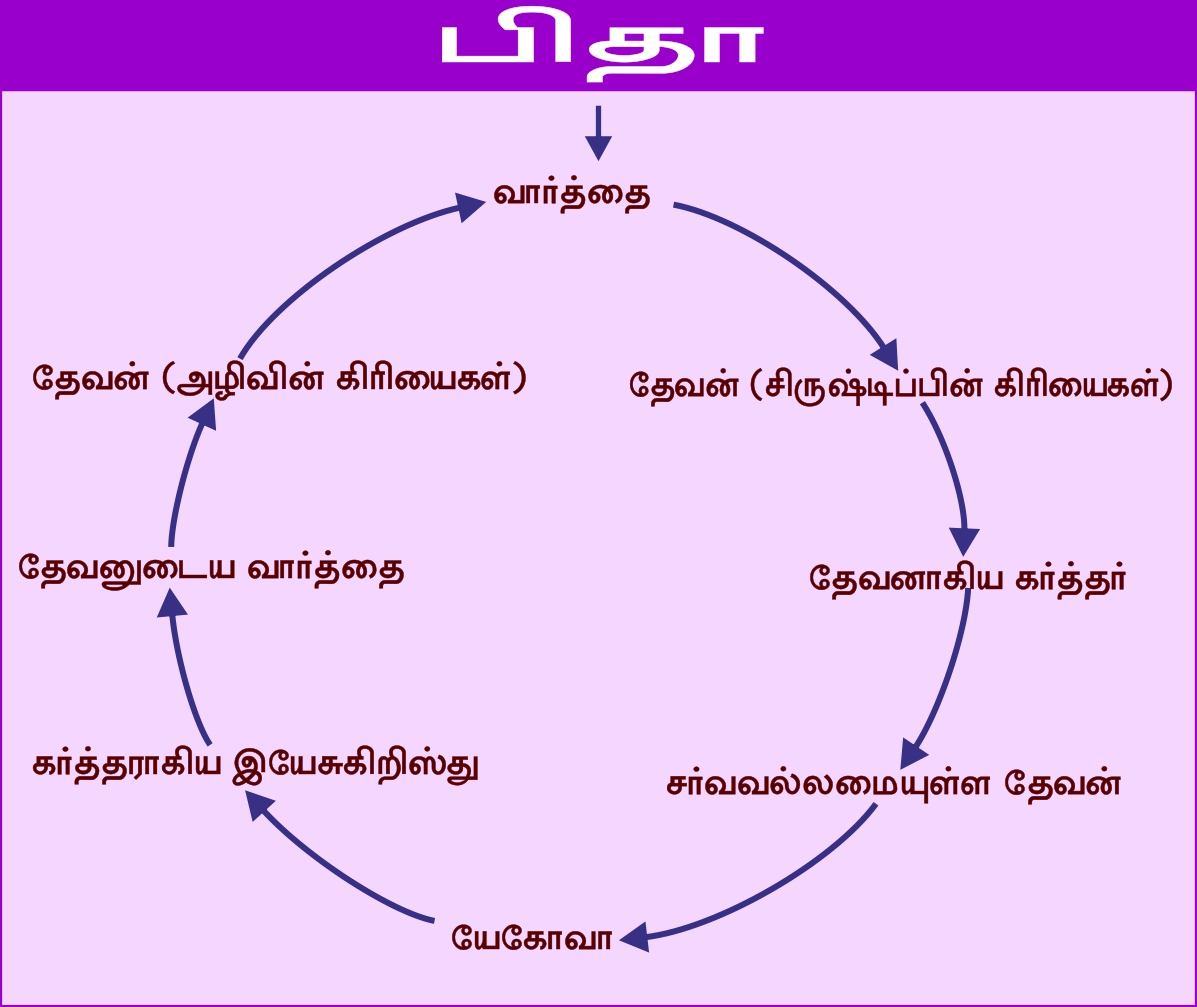
வார்த்தையில் ஆரம்பமான கிரியைகள் வார்த்தையில் முடிவடையப் போகின்றது.
யோவா. 1: 1-ல் இவ்விதமாகக் கூறப்பட்டுள்ளது:
"ஆதியிலே வார்த்தை இருந்தது, அந்த வார்த்தை தேவனிடத்திலிருந்தது, அந்த வார்த்தை தேவனாயிருந்தது."
ஆதியிலே வார்த்தை இருந்தது, அந்த வார்த்தை தேவனாயிருந்தது. சிருஷ்டித்தபோது அவர் தேவனாக இருந்தார். ஆத்துமா என்ற உள்ளான மனிதனை உருவாக்கியபோது அவர் கர்த்தராகக் கிரியை செய்தார். ஆத்துமா கர்த்தத்துவத்தின் கிரியையாகும்.
கர்த்தத்துவத்தின் கிரியைகள் நிறைவேறிய பின்னர், கர்த்தருடைய ஆளுகை இந்தப் பூமியில் இருக்காது. யேகோவாவினுடைய ஆளுகை இந்தப் பூமியில் இருக்காது. கர்த்தராகிய இயேசுகிறிஸ்துவின் ஆளுகை இந்தப் பூமியில் இருக்காது. ஆனால், கர்த்தருடைய நாமம் இந்தப் பூமியின் கடைசிபரியந்தமும் இருக்கும். யேகோவா என்ற நாமமும் கர்த்தராகிய இயேசுகிறிஸ்து என்ற நாமமும் இந்தப் பூமியின் கடைசி பரியந்தமும் இருக்கும். "தேவனுடைய வார்த்தை"என்ற நாமமும் இந்தப் பூமியின் கடைசி பரியந்தமும் இருக்கும். ஆனால், ஆத்துமா என்ற உள்ளான மனிதனுக்குரிய கிரியை இந்தப் பூமியினில் இருக்காது. இவைகளெல்லாம் நிறைவேறிவிடும். இவைகளுக்குப் பின்னர், தேவனின் கிரியைகள் அழிவில் வெளிப்படும்.
கர்த்தத்துவத்தின் கிரியைகளின் நிறைவில் நாம் இருக்கின்றோம். இந்த நிகழ்வினைக் கடைசி ஏற்பாடு என்று கர்த்தர் சாட்சியிடுகின்றார்.
கிறிஸ்துவுக்குள் அருமையானவர்களே, நித்திய ஜீவனைப் பெற்றுக்கொள்ள இந்தக் கடைசி ஏற்பாட்டினில் கர்த்தர் கட்டளையிட்டுள்ள நாமம் "தேவனுடைய வார்த்தை"என்பதே. அந்த நாமம் அழைக்கின்றது: பாபிலோனாய் சோதோம் கொமோராவாய் மாறியிருக்கின்ற கூடாரங்களை விட்டு வெளியேறி வாருங்கள் என்று.
ஆமென்! ஆமென்!! ஆமென்!!!